

Wisdom Tooth Extraction:
Your Quick Recovery Roadmap
Quick Answer
How long does recovery take after wisdom teeth extraction?
Most patients start to feel better within a few days. The first 24 hours are especially important because a blood clot forms at the extraction site. This clot protects the area and allows the healing process to begin the right way.
Key Takeaways
- Wisdom tooth extraction is a routine oral surgery procedure.
- Protecting the blood clot lowers the risk of dry socket.
- Ice packs help reduce swelling during early recovery.
- Soft foods like mashed potatoes protect the surgical site.
- Following the dos and don’ts after wisdom tooth extraction supports proper healing.
- Contact an Emergency Dentist in Peoria if symptoms worsen.
If your dentist has recommended wisdom tooth removal, you may have questions about what recovery will feel like. Many patients worry about swelling, soreness, and how long it will take before they can return to their normal routine after their wisdom teeth are removed.
The good news is that wisdom teeth extraction is one of the most common forms of tooth extraction performed today. With proper post operative care and guidance from a dentist or oral surgeon, most people recover smoothly.
This guide walks you through what happens during oral surgery, why the first 24 hours matter, how to prevent dry socket, and how to promote healing at home.
Why Wisdom Tooth Removal May Be Needed
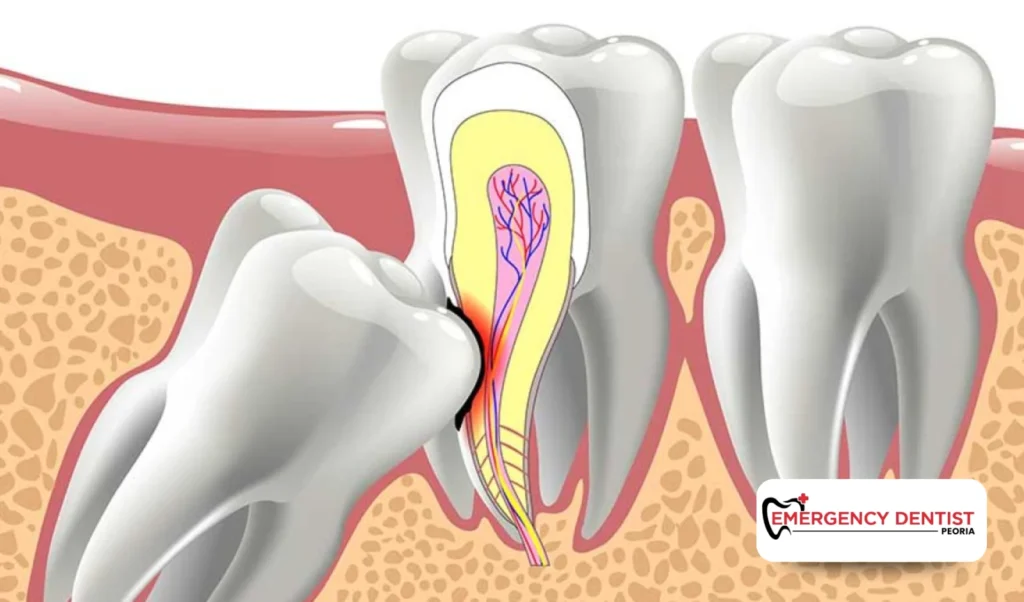
Wisdom teeth are the final set of molars to grow in. They usually appear during the late teen years or early adulthood. Some people have enough space for them, but many do not.
When there isn’t enough room, wisdom teeth may:
- Remain trapped beneath the gums
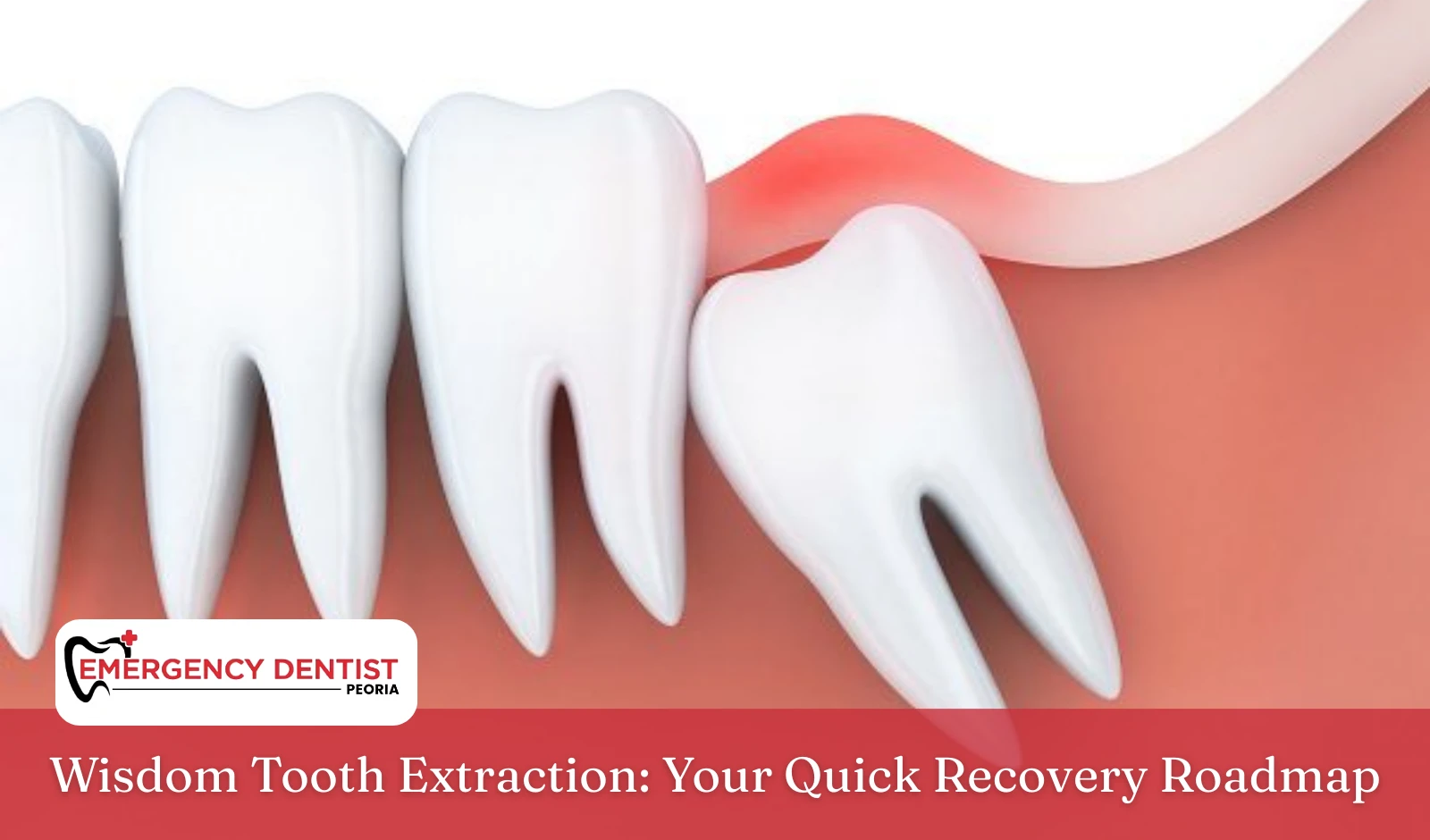
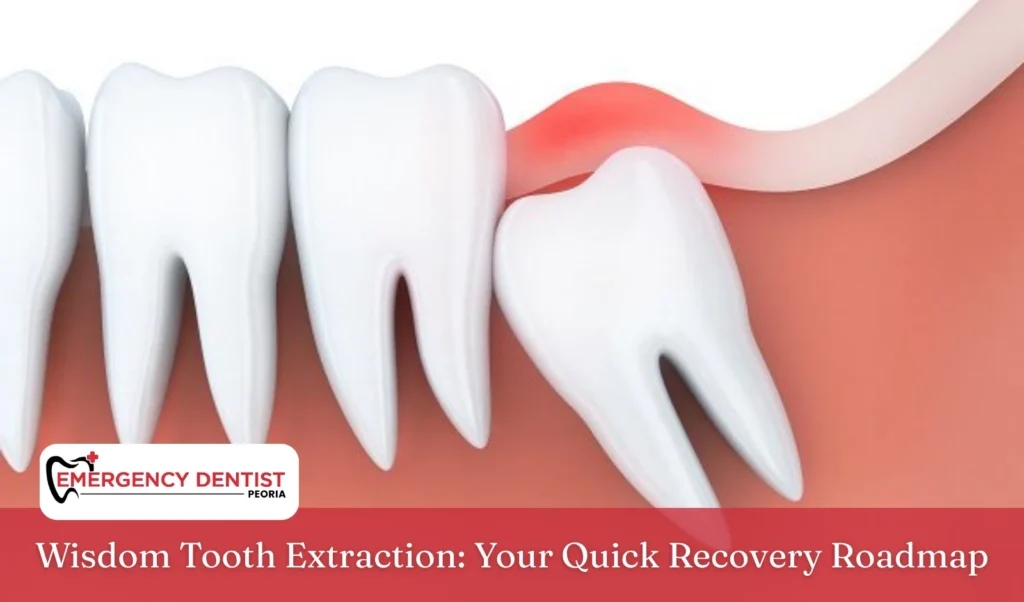
- Grow in sideways
- Press against nearby teeth
- Trap bacteria and food particles
In these situations, a dentist or oral surgeon may suggest wisdom tooth removal to protect your long-term oral health and prevent infection or discomfort.
What Happens During Wisdom Teeth Extraction?
Before the tooth extraction begins, the area is numbed using local anesthesia. This helps keep you comfortable during oral surgery. You may feel pressure, but sharp pain should not occur.
During wisdom teeth extraction:
- The gum near the surgical site may be gently opened
- The tooth is loosened carefully
- The tooth is removed
- The area is cleaned
- Gauze is placed over the extraction site
After the procedure, you will receive detailed post operative instructions that explain how to care for the surgical site at home.
Why the First 24 Hours Are So Important
The first 24 hours after wisdom tooth extraction are critical for healing. During this time, your body forms a blood clot inside the extraction site. This clot protects the bone and nerves underneath.
If the blood clot becomes dislodged too soon, dry socket can develop. Dry socket causes significant pain and delays the healing process.
That is why understanding the dos and don’ts after wisdom tooth extraction is essential. Protecting the clot helps promote healing and keeps the surgical site stable.
Dos and Don'ts After Wisdom Tooth Extraction
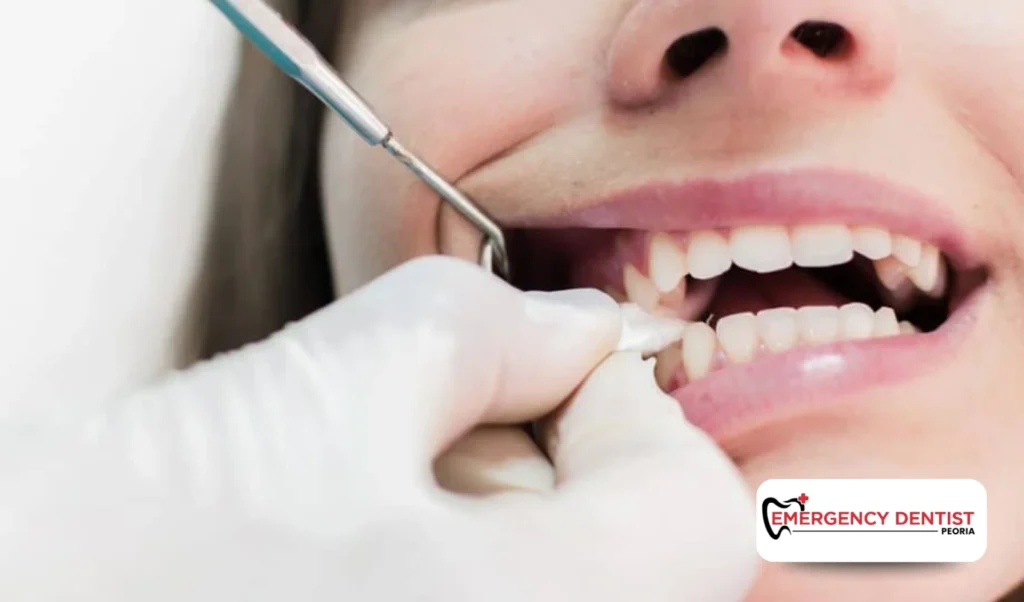
Knowing the dos and don’ts after wisdom procedures can make recovery smoother and safer.
What You Should Do
- Bite gently on gauze as directed
- Rest during the first 24 hours
- Use ice packs on your cheek to reduce swelling
- Keep your head slightly elevated
- Take pain medication as prescribed
- Eat soft foods such as mashed potatoes
- Drink plenty of water
- Gently rinse your mouth starting the day after surgery
- Follow all post operative instructions carefully
Ice packs are especially helpful on the first day because they help reduce swelling and improve comfort.
What You Should Avoid
- Do not use straws
- Do not spit forcefully
- Do not smoke
- Do not touch the extraction site
- Do not eat hard or crunchy foods
These don to after wisdom procedures protect the blood clot and lower your risk of dry socket.
Understanding Dry Socket
Dry socket happens when the blood clot at the extraction site is lost before healing is complete. Without that protective clot, the bone underneath becomes exposed.
Signs of dry socket may include:
- Strong pain several days after oral surgery
- Pain that spreads toward the ear
- An unpleasant taste in the mouth
- Symptoms that worsen instead of improve
Following your post operative instructions carefully lowers the risk. If discomfort increases instead of improving, contact your dentist or oral surgeon right away.
What to Expect During the Healing Process
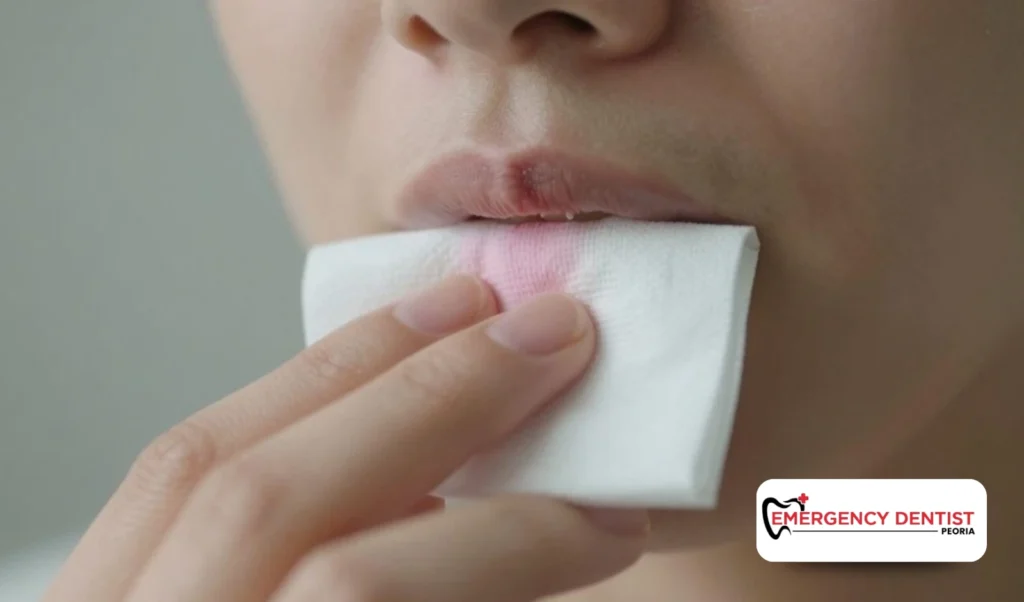
Healing takes place in stages. While everyone heals at a slightly different pace, most patients notice steady progress.
- Swelling: Mild swelling is common after wisdom tooth removal. It may increase slightly before it starts to decrease. Ice packs during early recovery help reduce swelling.
- Light Bleeding: Some light bleeding or pink saliva during the first day is normal. Gentle pressure with gauze usually controls it.
- Soreness: The surgical site may feel tender. Discomfort should slowly improve as the healing process continues.
- Tissue Healing: Within several days, many patients feel much better. The gums gradually close over the extraction site as new tissue forms.
Eating After Wisdom Teeth Are Removed
Choosing the right foods helps protect the surgical site and support the healing process.
Soft foods are best during early recovery, including:
- Mashed potatoes
- Yogurt
- Scrambled eggs
- Applesauce
- Smooth soups
Avoid crunchy, spicy, or very hot foods until your dentist says it is safe. Soft foods help protect the blood clot and reduce irritation.
Simple Ways to Promote Healing at Home
Small steps can make a big difference in your recovery.
- Rest: Give your body time to recover. Avoid heavy physical activity for several days after oral surgery.
- Use Ice Packs: Apply ice packs in short intervals to reduce swelling and improve comfort.
- Keep the Area Clean: Starting the day after surgery, gently rinse your mouth with warm salt water. Avoid aggressive swishing.
- Take Pain Medication as Directed: Pain medication can help manage discomfort. Follow your provider’s instructions carefully.
These habits help promote healing and protect your surgical site.
When to Contact an Emergency Dentist in Peoria
Most people recover without serious complications. However, contact an Emergency Dentist in Peoria if you notice:
- Bleeding that does not slow down
- Swelling that worsens instead of improves
- Fever
- Severe pain several days after wisdom tooth removal
- Signs of dry socket
It is always better to seek professional care if something does not feel right.
A Smooth Recovery Starts With Smart Aftercare
Wisdom tooth extraction is a common procedure that protects long-term oral health. With careful attention during the first 24 hours and by following post operative instructions, most patients return to their daily routine quickly.
Protecting the blood clot, using ice packs, eating soft foods like mashed potatoes, and following the dos and don’ts after wisdom tooth extraction all support a steady healing process.
Knowing what to expect makes recovery less stressful.
Stay Ahead of Recovery Concerns
If your extraction site feels uncomfortable or you are unsure whether your healing process is progressing normally, do not wait.
The compassionate team at Emergency Dentist in Peoria is here to answer your questions and provide supportive care after wisdom teeth extraction.
Call today to schedule an evaluation and protect your recovery with confidence.
Frequently Asked Questions
How long should I keep using gauze after surgery?
Most patients bite on gauze for 30 to 45 minutes. Replace it if light bleeding continues.
Can I brush my teeth the day after wisdom tooth extraction?
Yes, you can brush your other teeth carefully. Avoid brushing directly over the extraction site for several days.
When can I start exercising again?
Most people wait several days before returning to strenuous activity. Rest during the first 24 hours helps support proper healing.
Can I drink coffee after wisdom tooth extraction?
It is best to avoid hot drinks for the first 24 hours. Heat can disturb the blood clot and slow the healing process.
Is mild jaw stiffness normal after oral surgery?
Yes, slight stiffness is common after wisdom teeth extraction. It should gradually improve as the healing process continues.