
Emergency Wisdom Teeth Removal in Peoria & Nearby Areas
Are your wisdom teeth causing pain or swelling? At Emergency Dentist Peoria, we offer fast, expert wisdom tooth extraction to help you feel better – fast. Whether it’s an impacted wisdom tooth, gum infection, or facial swelling, our experienced dentists and oral surgeons are here for you.
What Are Wisdom Teeth & Why Remove Them?

Wisdom teeth are the last set of molars to grow in, usually between 17 and 25. While some people have no issues, others experience serious problems:
- Impacted wisdom teeth (stuck under gums or at the wrong angle)
- Jaw or gum pain
- Tooth decay from trapped food
- Infection and swollen gums tissue
- Pressure on other teeth or shifting alignment
- Cysts or fluid-filled sacs around the tooth
Even if there’s no pain yet, your wisdom tooth removal dentist may recommend early removal to avoid future complications.
Impacted Wisdom Tooth? Call Now for Fast, Expert Extraction
Who Performs Wisdom Teeth Removal?
Wisdom tooth extractions can be performed by a general dentist or a specialized oral surgeon, depending on the complexity of the case.
At Emergency Dentist Peoria, our team is trained in both simple and surgical removals. We’ll evaluate your specific case and determine whether you’ll need local anesthesia, IV sedation, or general anesthesia to keep you comfortable during the procedure.
Emergency Wisdom Tooth Extraction: What to Expect
When you come in for emergency wisdom teeth removal, here’s what happens:
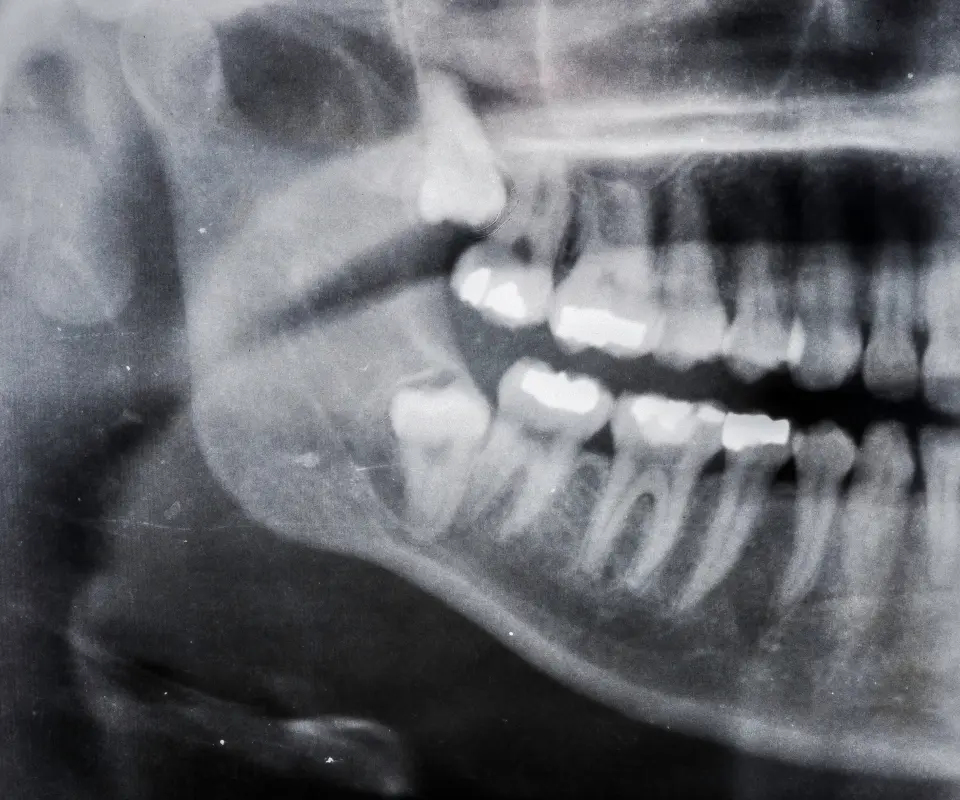
Quick Exam & X-ray
We assess your teeth to confirm if wisdom teeth surgery is needed.

Type of Anesthesia
We’ll explain your options: local anesthesia, IV sedation, or general anesthesia, based on your comfort level and needs.

Tooth Removal
Our skilled dentist or oral surgeon will carefully remove the wisdom teeth.
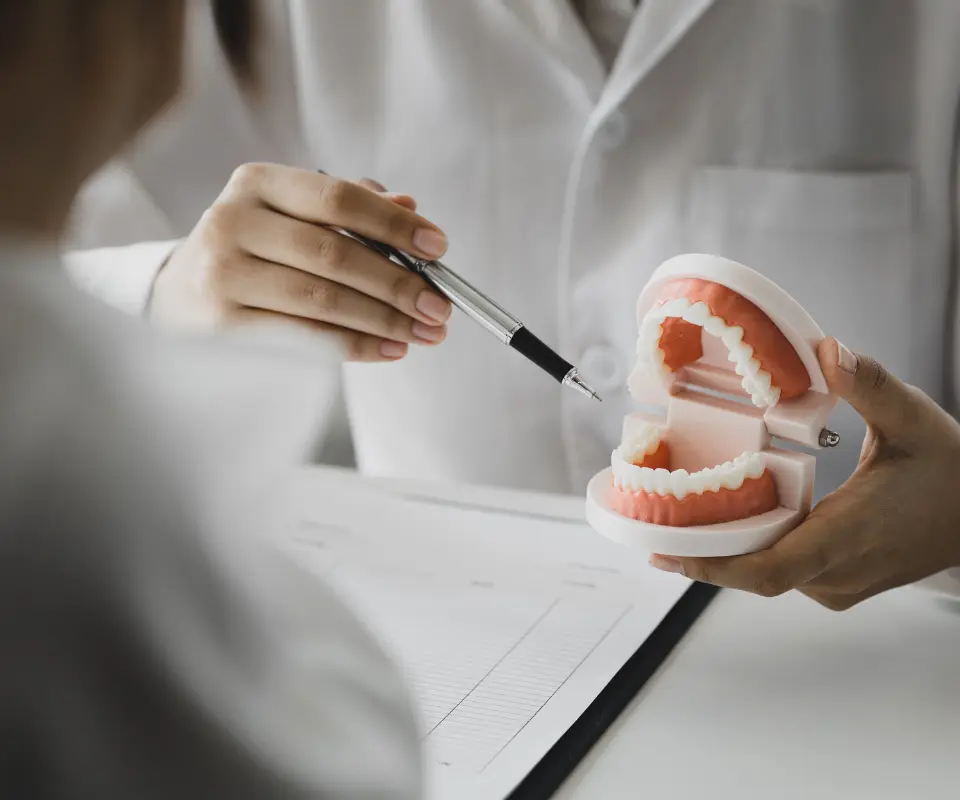
Post-Surgery Care
You’ll go home with pain relief tips, prescribed antibiotics, and instructions for a smooth recovery.
Emergency Wisdom Tooth Removal in Peoria – Same-Day Dental Care
Real Benefits of Wisdom Teeth Removal
- Prevent crowding and damage to nearby teeth
- Avoid infections, cysts, and tooth decay
- Improve long-term oral hygiene and dental health
- Eliminate chronic jaw or gum pain
- Lower your risk of needing more complex dental treatments later
Why Choose Emergency Dentist Peoria?

- Fast Relief from wisdom tooth pain and infection
- Trusted wisdom tooth extraction near you in Peoria
- Experienced dentists and oral surgeons
- Multiple types of anesthesia to suit your needs
- Focus on long-term dental care and prevention
- Easy-to-find location and emergency availability
Frequently Asked Questions
Why are my wisdom teeth starting to bother me now?
Wisdom teeth can cause problems as they erupt or when there is not enough room for them to come in normally. This may lead to pain, pressure, swelling, or irritation around the back of the mouth.
What problems can happen if a wisdom tooth doesn't come in properly?
A wisdom tooth may become impacted, grow at an angle, press against a nearby tooth, or remain partly covered by gum tissue. These problems can contribute to pain, infection, decay, or difficulty keeping the area clean.
How can I tell if my wisdom tooth needs to come out?
Ongoing pain, swelling, jaw discomfort, repeated gum irritation, or difficulty cleaning around the tooth may indicate a problem. A dental exam and X-rays can show the tooth’s position and help determine whether removal is appropriate.
Can I keep my wisdom teeth if they aren't causing problems?
Yes. Wisdom teeth do not always need to be removed. If they have erupted properly, are healthy, and can be cleaned effectively, your dentist may recommend monitoring them instead.
How does a dentist remove a wisdom tooth?
The procedure depends on how the tooth is positioned. A fully erupted wisdom tooth may be removed like another tooth, while an impacted tooth may require an opening in the gum and removal of some surrounding tissue or bone.
Will I feel anything while my wisdom tooth is being removed?
Local anesthesia is used to numb the treatment area. You may feel pressure or movement during the procedure, but the area should be numb. Soreness and swelling can occur afterward.
How long will I be at the dentist for wisdom tooth removal?
The length of the procedure depends on how many wisdom teeth are being removed and whether they are fully erupted or impacted. Your dentist can give you a better estimate after examining your teeth and X-rays.
Do I have to remove all four wisdom teeth at once?
No. The number of wisdom teeth removed depends on which teeth are causing problems and what the dentist finds during the evaluation. In some cases, several wisdom teeth may be removed during one visit.
How will I feel the day after my wisdom teeth are removed?
Some soreness, swelling, and jaw stiffness are common during the first few days. These symptoms usually improve gradually as the extraction sites begin to heal.
When can I get back to normal after wisdom tooth removal?
Many people begin feeling better within a few days, but recovery depends on the number and complexity of the extractions. The sockets continue healing after the initial soreness and swelling improve.
What foods are easiest to eat after wisdom tooth extraction?
Soft foods such as yogurt, applesauce, mashed potatoes, eggs, and lukewarm soup can be easier to eat during early recovery. Avoid hard, crunchy, or sticky foods that may irritate the extraction sites.
Can I get a same-day appointment for wisdom tooth pain in Peoria?
Same-day emergency dental appointments are available whenever possible for patients in Peoria experiencing wisdom tooth pain, swelling, or other urgent symptoms.
When does wisdom tooth pain need urgent dental care?
Seek prompt dental care if the pain becomes severe, swelling increases, you develop signs of infection, or you have difficulty opening your mouth or swallowing. Difficulty breathing or significant trouble swallowing requires immediate medical attention.
How do I get my wisdom teeth checked in Peoria?
Call (480) 409-7210 or use the online appointment form to request a visit. A dental exam and X-rays can help determine whether your wisdom teeth need treatment or removal.