
Emergency Root Canal Therapy in Peoria and Nearby Areas
If you’re experiencing severe tooth pain, sensitivity, or swelling, you may need root canal therapy. Also known as endodontic therapy, this root canal procedure removes infection from inside a tooth, helping to relieve pain and prevent further damage. Many people fear that root canal treatment is painful, but modern techniques ensure the process is as comfortable as possible.
What Is Root Canal Therapy?
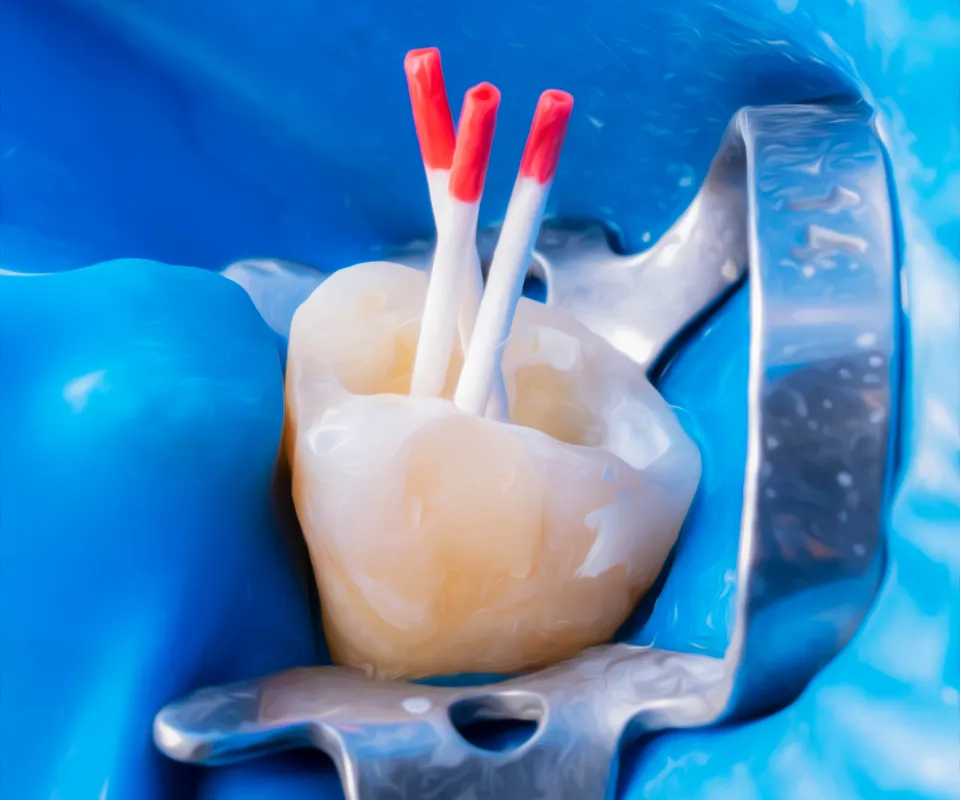
A root canal dentist performs this procedure when the pulp inside your tooth becomes infected or damaged. This can occur due to:
- Loose Filling – A filling that becomes loose can expose your tooth to bacteria, leading to infection.
- Cracked Tooth – A crack in your tooth can allow bacteria to reach the pulp, causing pain and infection.
- Injury – Trauma to a tooth can lead to pulp damage, even if there are no visible cracks or breaks.
Schedule Your Root Canal Procedure Today!
Signs You Need a Root Canal
Wondering if you need root canal treatment? Some common signs include:
- Severe, persistent toothache
- Sensitivity to hot and cold
- Swelling or tenderness in the gums
- Darkening or discoloration of the tooth
- A small bump on the gums near the painful tooth

How Long Does a Root Canal Take?
A root canal procedure typically takes 90 minutes or may require multiple visits, depending on the severity of the infection and the complexity of the tooth’s structure.
How Painful Is a Root Canal?
One of the biggest myths about root canal therapy is that it’s painful. In reality, the procedure is no more uncomfortable than getting a cavity filled. Local anesthetic is used to numb the area, ensuring a pain-free experience. Most patients find that the relief from pain after the procedure is well worth it.
Root Canal vs. Extraction
A common question is whether to choose a root canal vs. extraction. While tooth extraction removes the problem tooth entirely, root canal treatment preserves your natural teeth, avoiding the need for costly replacements like implants or bridges. Saving your tooth roots helps maintain jawbone structure and overall oral health.
Root Canal Treatment Cost
The root canal cost varies depending on the complexity of the case and whether a crown is needed. At Emergency Dentist Peoria, we offer affordable options and accept various insurance plans to make your treatment as accessible as possible.
Root Canal Treatment Process
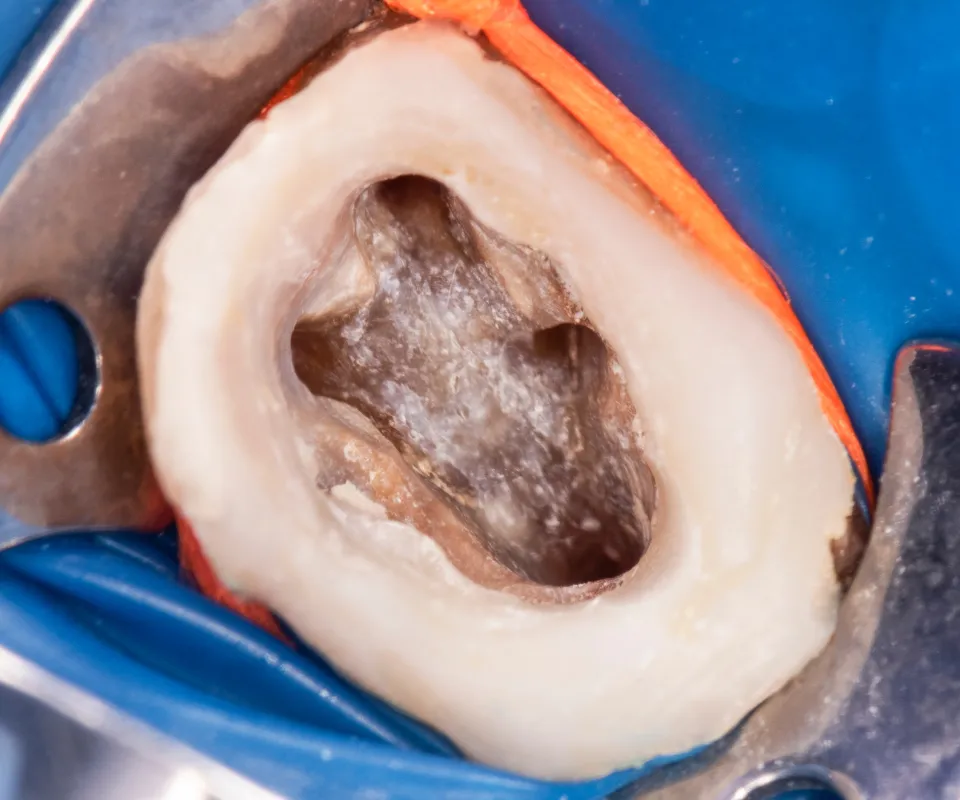
Cleaning the Root Canal
The dental professional numbs the area, then removes the infected pulp, including nerves and blood vessels, from inside the tooth.
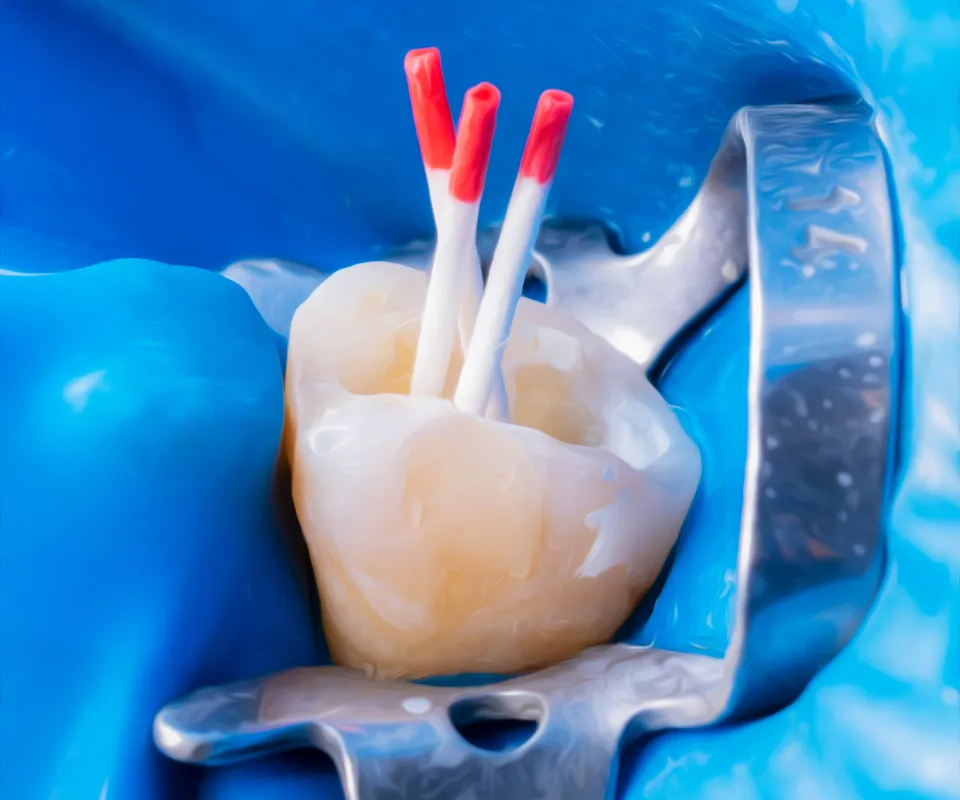
Filling the Root
The cleaned-out root canal is sealed with a rubber-like material that fills the root canals to prevent further infection.
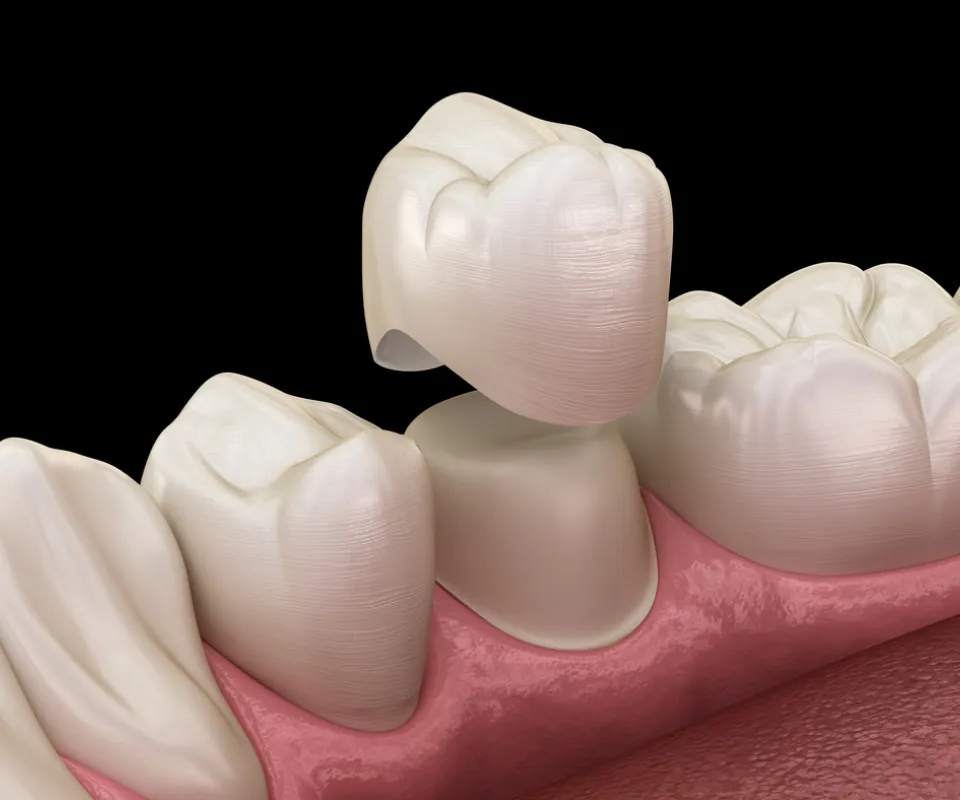
Placing a Crown
To protect the tooth and restore its function, a dental crown is placed over it.
Aftercare for Root Canal Therapy

Proper aftercare is essential for a smooth recovery. Here are some tips:
- Take over-the-counter pain relievers as needed.
- Avoid chewing on the treated tooth until the crown is placed.
- Maintain good oral hygiene by brushing and flossing daily.
- Avoid eating or drinking anything too hot or cold immediately after the procedure.
- Follow up with your general dentist to ensure complete healing.
Best Dentist for Root Canal Near Me
At Emergency Dentist Peoria, our experienced team offers fast and effective root canal treatment using advanced technology. Our dental office at 9840 W Yearling Rd Unit 1240, Peoria, AZ 85383 United States, is conveniently located for quick, emergency care. We’re available to handle urgent cases and help you relieve pain quickly.
Frequently Asked Questions
What does a root canal actually treat?
A root canal treats infection or inflammation inside a tooth. The damaged or infected pulp is removed, and the inside of the tooth is cleaned and sealed so the natural tooth can often be preserved.
Why would my dentist recommend a root canal instead of pulling the tooth?
A root canal may be recommended when the inside of the tooth is infected or damaged but the tooth can still be restored. The goal is to treat the problem while keeping the natural tooth when possible.
What will the dentist do during my root canal?
The dentist removes the infected or damaged pulp, cleans and shapes the canals inside the tooth, and seals the space. The tooth may then need a filling or crown to restore and protect it.
Am I going to feel the root canal while it's being done?
Local anesthesia is typically used to numb the tooth and surrounding area. You may notice pressure or movement during treatment, but the area should be numb.
Is it normal for my tooth to feel sore after a root canal?
Mild tenderness or sensitivity can occur for a few days, especially when biting or chewing. It should generally improve as the tissues around the tooth recover.
When can I chew normally after a root canal?
This depends on how the tooth was restored. Avoid chewing hard foods on the treated tooth until your dentist says it is safe, particularly if you are waiting for a permanent filling or crown.
How do I know if my tooth pain might need an emergency root canal?
Severe or worsening tooth pain, lingering sensitivity to hot or cold, pain when biting, or swelling near the tooth may indicate a problem with the pulp inside the tooth. An exam and X-rays can help determine whether root canal treatment is needed.
Can I get a root canal the same day in Peoria?
Yes. We can often begin root canal treatment the same day. The dentist will examine your tooth and take X-rays if needed to confirm whether a root canal is the right treatment.
How can I get my tooth checked for a root canal in Peoria?
Call (480) 409-7210 or use the online appointment form to request an emergency dental visit. The dentist can examine the tooth, take X-rays when needed, and determine whether root canal therapy is appropriate.