

Removing Wisdom Tooth:
Simple Guide to Extraction & Healing
Quick Answer
Who removes wisdom teeth and what happens during treatment?
A dentist or oral surgeon can perform tooth removal for wisdom teeth. Some patients only need a simple wisdom tooth extraction, while others need oral surgery when impacted wisdom teeth or partially erupted molars are present. In complex situations, oral and maxillofacial surgeons perform advanced surgical procedures to safely complete the removal of wisdom teeth.
Key Takeaways
- The removal of wisdom teeth helps prevent tooth decay, gum disease, and damage to nearby teeth
- A dentist or oral surgeon may recommend oral surgery for deeply impacted teeth
- Protecting blood clots reduces the risk of dry sockets
- Ice packs, rest, and soft food help healing during the first 24 hours
- Early care helps reduce pain and swelling and protects oral health long term
Wisdom teeth are the last molars to grow, usually in the late teen years or early adulthood. Some people have enough room, but many develop impacted wisdom teeth that cannot fully break through the gums. Teeth that are only partly visible often trap bacteria and food, increasing the risk of tooth decay, infection, and discomfort.
When the jaw lacks space, wisdom teeth may press against nearby molars and cause crowding. This pressure can make brushing difficult and raise the chance of gum disease and damage to surrounding teeth. Because of these concerns, dentists often suggest removing your wisdom teeth to protect oral health and avoid problems long term.
In this guide, we explain who removes wisdom teeth, how to remove a wisdom tooth, what the wisdom tooth extraction process involves, and recovery tips that help you heal comfortably.
Who Removes Wisdom Tooth and When to Schedule an Exam
Many patients in Peoria ask who removes wisdom tooth safely. A general dentist may complete basic tooth removal when the tooth is easy to reach. However, teeth that are angled, deeply positioned, or close to nerves may require oral and maxillofacial surgeons trained in advanced oral surgery.
A specialist may be recommended when:
- Teeth are deeply impacted
- Surgical access is needed
- The tooth sits near nerves or bone
- Complex surgical procedures are required
Sedation is often available to help patients stay relaxed during wisdom teeth extraction.
You should schedule an evaluation if you notice jaw pressure, repeated infection, swelling, or discomfort while chewing. Early care reduces complications and protects your oral health over time.
How to Remove a Wisdom Tooth: Procedure Overview

Learning how to remove a wisdom tooth can help patients feel calmer and more prepared. The wisdom teeth pulled process usually includes these steps:
1. Examination and Imaging: Digital X-rays and a dental exam allow the provider to check tooth position and plan a safe wisdom tooth extraction.
2. Numbing and Comfort Support: Local anesthesia keeps the area numb during tooth removal. IV sedation may also be used during oral surgery to reduce anxiety.
3. Accessing the Tooth: If impacted wisdom teeth are present, the provider may gently open the gum. In some cases, a small amount of bone is adjusted during surgical procedures.
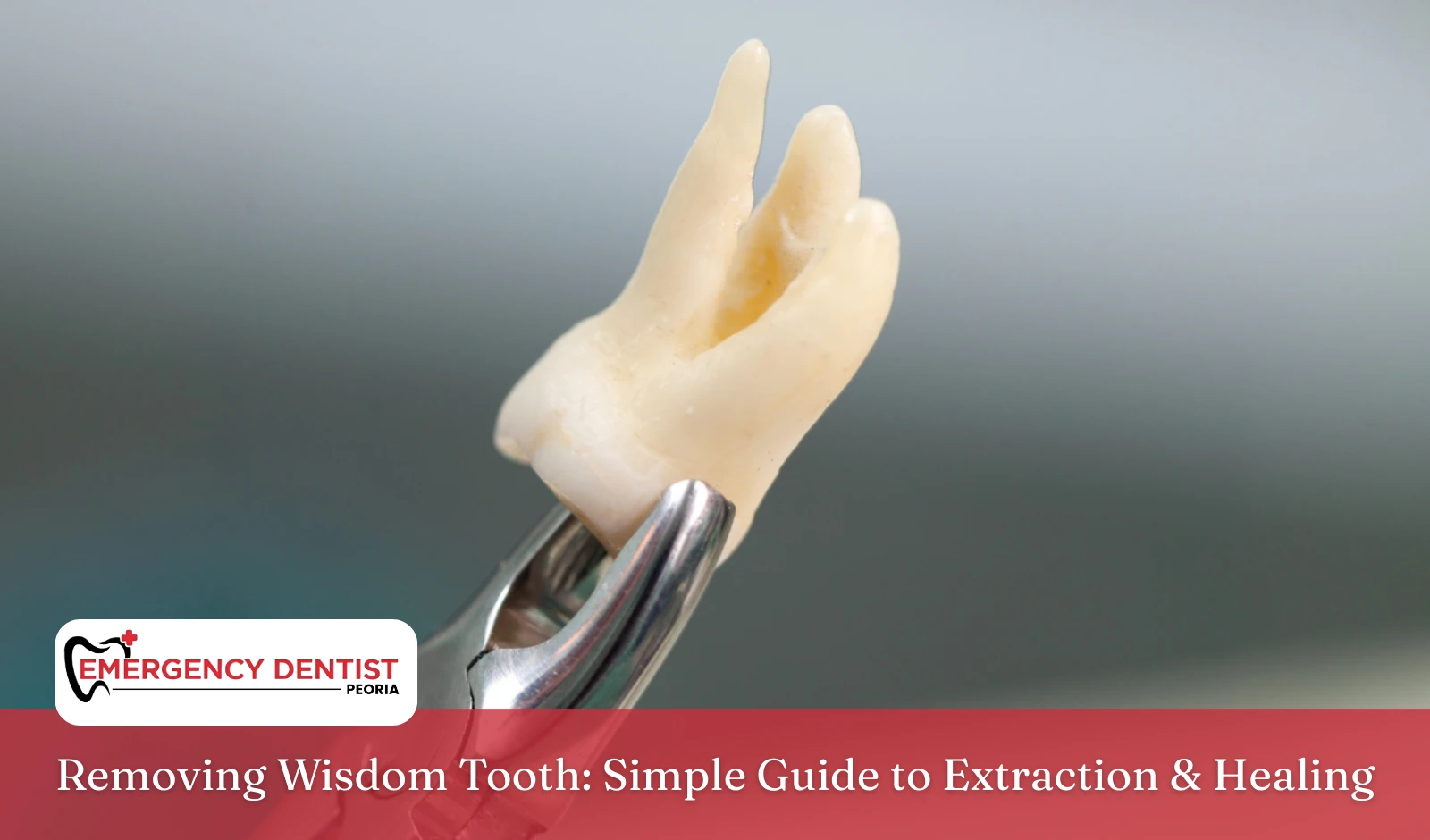
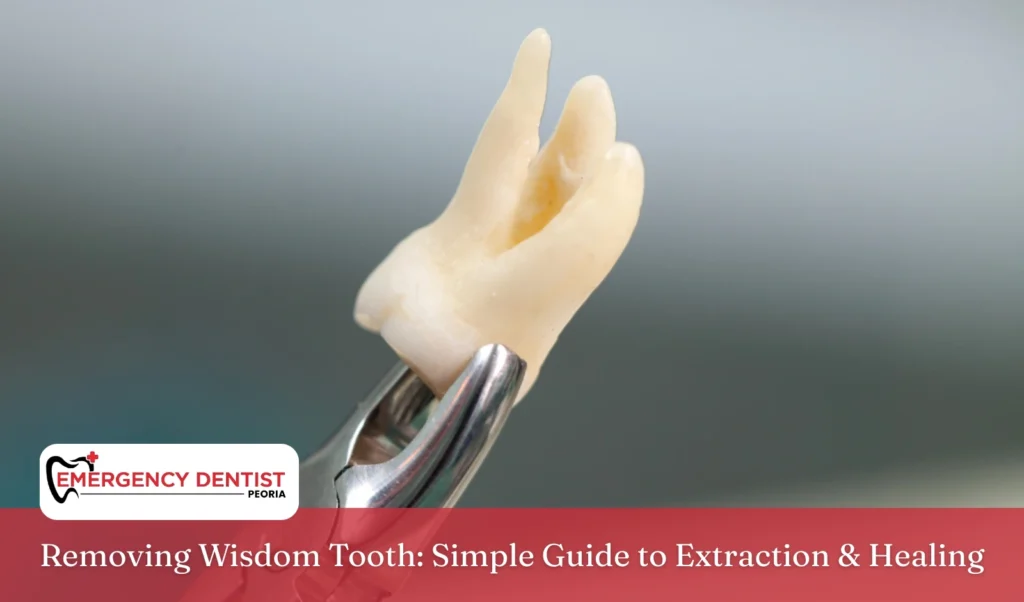
4. Tooth Removal: The tooth may be divided into sections so wisdom teeth extraction is easier and creates less pressure on nearby structures.
5. Cleaning and Closure: After the removal of wisdom teeth, the area is cleaned carefully. Stitches may be placed to protect healing tissue and lower infection risk.
6. Blood Clot Formation and Aftercare: Blood clots form inside the socket to protect bone and nerves. Patients receive clear instructions for the first 24 hours to support safe healing.
Knowing these steps helps patients feel more confident and prepared for recovery.
Recovery and Protecting Blood Clots

The first 24 hours after wisdom tooth extraction are very important. Blood clots protect the socket and help prevent dry sockets, which can cause significant discomfort.
Using an ice pack early helps reduce pain and swelling. Rest is important, and patients should avoid smoking, using straws, or forceful rinsing because these can disturb healing.
Eating soft food such as yogurt, soup, eggs, smoothies, and mashed vegetables protects the area while still providing nutrition. Gentle brushing can continue, and warm saltwater rinses may begin after the first day.
Most patients begin to feel better within several days. Full healing may take a few weeks, depending on the complexity of the oral surgery.
Possible Concerns After Wisdom Teeth Removal
Although wisdom teeth extraction is common, patients should understand potential risks:
- Mild pain and swelling during early healing
- Infection if oral hygiene is not maintained
- Dry sockets caused by lost blood clots
- Temporary nerve sensitivity after complex oral surgery
Following aftercare instructions and attending follow-up visits helps reduce these risks and supports recovery.
Final Thoughts
Understanding who removes wisdom tooth and what to expect during treatment can make the process feel much less stressful. Whether completed by a dentist or oral surgeon, the removal of wisdom teeth helps prevent infection, reduce crowding, and protect surrounding teeth.
Protecting blood clots, eating soft food, and following recovery guidance all support smoother healing. Over time, removing your wisdom teeth can improve comfort, make brushing easier, and protect oral health long term.
Gentle Wisdom Tooth Care in Peoria
Wisdom tooth problems can affect eating, sleep, and daily comfort. An Emergency Dentist in Peoria can evaluate symptoms, explain treatment options, and guide you through safe wisdom teeth extraction and recovery.
Getting care early helps prevent infection, reduce pain and swelling, and protect nearby teeth from additional damage. Timely treatment can also lower the risk of complications like dry sockets and support faster healing.
If you notice pressure, swelling, or difficulty chewing, scheduling a dental exam can help you get answers early and begin treatment before symptoms worsen.
Frequently Asked Questions
I don’t feel pain, should I still remove my wisdom teeth?
Yes. Impacted wisdom teeth may cause hidden infection, gum disease, tooth decay, and damage to nearby teeth even without symptoms.
How long should I stay on soft food after wisdom teeth are pulled?
Most patients follow a soft food diet for several days and slowly return to normal foods as healing improves.
Can sedation make wisdom tooth extraction easier?
Yes. Sedation helps patients stay relaxed and comfortable during oral surgery, making treatment smoother and less stressful.