

Quick Answer
What should you do when a back tooth chips but does not hurt?
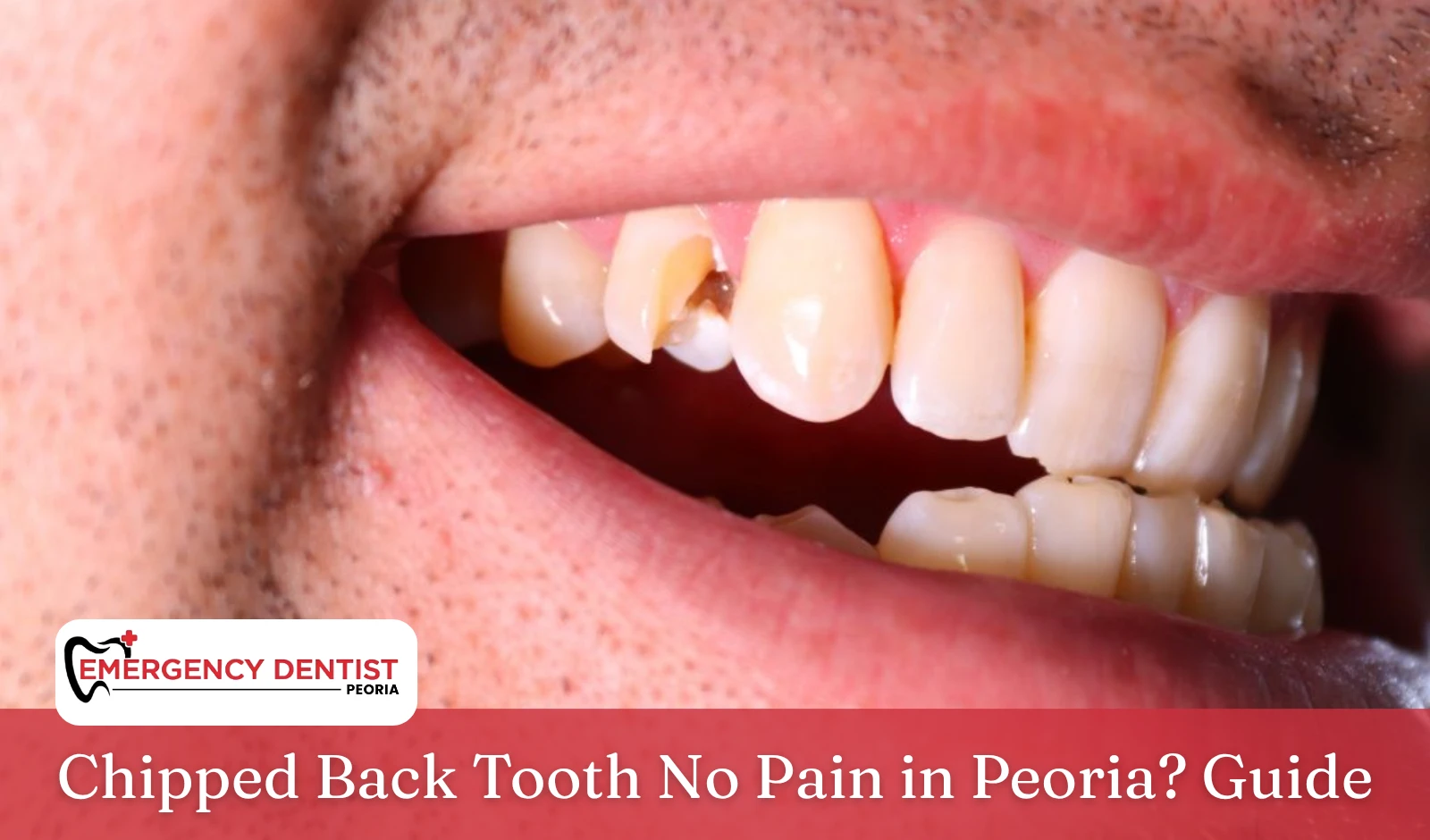
If you have a chipped back tooth no pain, try not to chew hard foods on the affected side and arrange a dental evaluation. A dentist can check how much tooth structure was lost and explain whether the area needs treatment, even when it feels comfortable.
Key Takeaways
- A chipped molar may not cause immediate pain or sensitivity.
- A minor chip can affect a limited area without reaching deeper parts of the tooth.
- Avoid putting unnecessary chewing pressure on the damaged area.
- A dentist can determine whether the damage is a chip or crack.
- Changes in sensitivity, your bite, or the tooth’s shape are worth mentioning at your appointment.
- Professional dental care can help determine the appropriate next step.
You may be eating normally when you suddenly feel something unusual, a rough corner, an uneven chewing surface, or a small piece of tooth in your mouth. When the damaged tooth doesn’t hurt, deciding what to do next may not seem straightforward.
Back teeth handle much of the pressure involved in chewing. A damaged molar can therefore be worth checking even when there is no immediate discomfort.
Knowing what can contribute to chipped teeth, how to protect the area, and what may happen at a dental visit can make the situation easier to manage.
How Can a Back Tooth Chip Without Causing Pain?
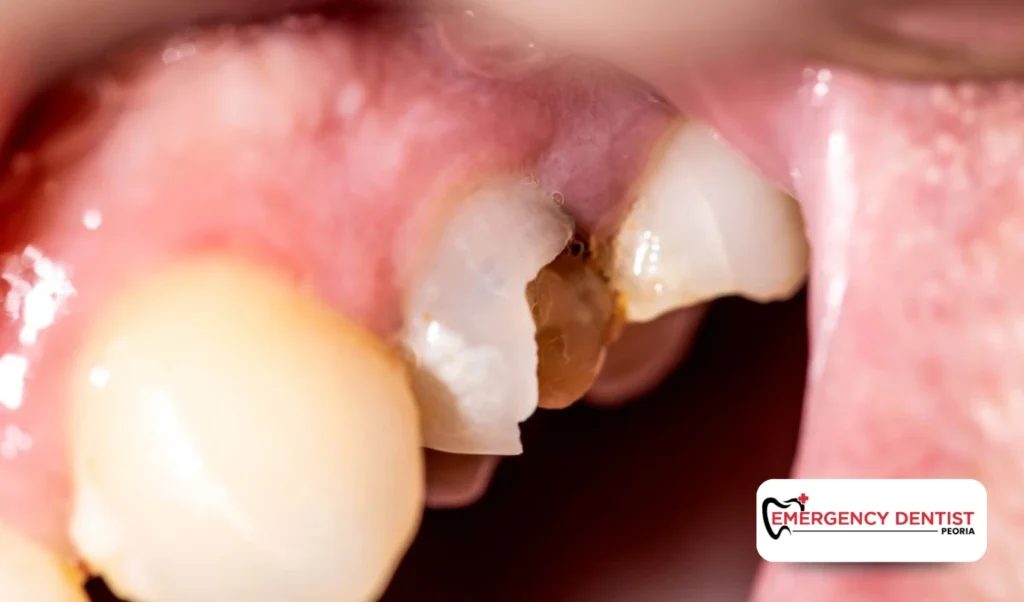
The outside of each tooth is covered by a strong outer layer that protects more sensitive structures underneath.
If only a limited part of the tooth breaks away, the damaged area may not involve structures that produce noticeable discomfort. This is one reason someone may discover a back tooth chipped with no pain.
The amount of missing tooth structure can also be difficult to judge at home. A piece may appear small from one angle but involve a larger section of the chewing surface.
For that reason, having a tooth with no pain does not necessarily tell you whether the damage needs treatment.
Why Do Back Teeth Sometimes Chip?
Molars regularly handle pressure from chewing and biting. Several factors can contribute to a piece breaking away.
Hard Foods Can Place Extra Pressure on a Tooth
Biting ice, hard candy, popcorn kernels, or similarly firm foods can create concentrated pressure. If an area is already weakened, this force may result in a small chip.
The damage is not always noticed at the moment it happens. You may discover the change later while brushing or running your tongue across the tooth.
Clenching and Grinding Can Stress Back Teeth
Repeated teeth grinding can expose molars to pressure beyond normal chewing. Some people clench or grind while sleeping and do not realize it is happening.
Dentists may refer to ongoing clenching or grinding bruxism when discussing possible sources of tooth wear. An examination can help your dentist consider whether these forces may be relevant to the damaged tooth.
Decay May Weaken Tooth Structure
Tooth decay can weaken tooth structure and make some areas less able to withstand chewing forces.
Existing fillings or restorations can also affect how much natural tooth remains. Your dentist can evaluate the entire tooth rather than focusing only on the piece that broke away.
Does a Painless Chipped Molar Need Attention?
Finding a back tooth chipped off no pain can make waiting seem reasonable. However, pain alone is not a reliable way to judge the extent of a chip.
Some damage is limited to a small area, while another broken tooth may have lost a larger portion of its chewing surface. It can be difficult to distinguish between these situations without an examination.
Because cracked teeth and surface chips are not always easy to distinguish at home, having the tooth examined can provide peace of mind and clarify what type of damage occurred.
You might also feel sharp edges with your tongue. These rough areas may be noticeable even when the tooth itself is not sensitive.
Until your appointment, pay attention to any changes in how the tooth feels or functions. New sensitivity, discomfort when biting, swelling, or additional breakage should be shared with your dentist.
Related: When Is a Chipped Tooth an Emergency? Warning Signs Guide
How Can You Protect the Tooth Before Your Appointment?
A few simple precautions can help reduce unnecessary stress on the damaged area.
Choose foods that are easier to chew and avoid biting hard items with the affected tooth. Chewing mainly on the opposite side can also reduce direct pressure.
Continue brushing and flossing carefully. Maintaining good oral health remains important even when part of a tooth has broken.
If you find the fragment, keep it in a clean container and take it to your appointment. Do not try to glue the piece back, file the tooth, or reshape the damaged edge yourself.
Related: Temporary Fix for Chipped Tooth: Safe Care Until Treatment
How Might a Dentist Repair a Chipped Back Tooth?
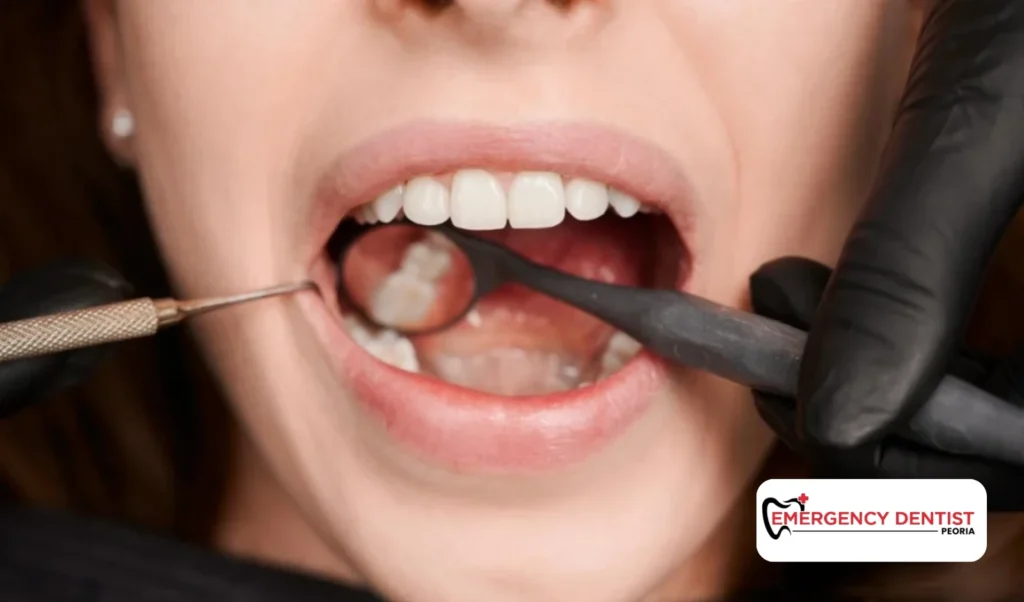
There is no single treatment used for every chipped molar. The appropriate option depends on the amount and location of the missing structure and the condition of the remaining tooth.
A limited chip may sometimes be smoothed or repaired with restorative material. More substantial damage may require a restoration that covers and protects a larger portion of the tooth.
If deeper structures have been affected, additional care may be discussed. In some situations, root canal treatment may be considered before the tooth receives its final restoration.
The examination allows the dentist to recommend treatment based on the individual tooth instead of assuming that every chip requires the same procedure.
Related: Treatment for a Chipped Tooth: Simple Repair Options Guide
Final Thoughts
Discovering that a back tooth has chipped off no pain may seem less concerning than a painful dental problem, but discomfort is only one factor to consider.
Avoid placing heavy pressure on the tooth, keep the area clean, and arrange an evaluation. A dentist can assess the extent of the damage and explain whether repair, protection, or monitoring may be appropriate.
Get Help for a Chipped Back Tooth in Peoria
If you have noticed a chipped or damaged molar, an Emergency Dentist in Peoria can examine the tooth and explain your options. Having the area evaluated can help you understand what was damaged and what steps may help protect the remaining tooth.
Frequently Asked Questions
Can a chipped back tooth get worse if I keep chewing on it?
Yes. Chewing can put extra pressure on a damaged tooth and may cause more of it to break. Try to avoid chewing on that side until a dentist checks the tooth.
How can a dentist tell if my tooth is chipped or cracked?
A dentist can examine the tooth, check your bite, and may use dental X-rays or other tests if needed. This can help determine the type and extent of the damage.
What symptoms should I watch for after chipping a back tooth?
Watch for new pain, swelling, sensitivity, or discomfort when biting. Contact a dentist if these symptoms develop or if another piece of the tooth breaks off.