

Sports Related Dental Injuries: How to Protect Teeth

Quick Answer
What are sports related dental injuries?
Sports related dental injuries are injuries affecting the teeth, gums, lips, or other areas of the mouth during athletic or recreational activities. They may occur after a fall, collision, or direct blow and can range from small chips and cuts to loose, displaced, or knocked-out teeth that need timely dental attention.
Key Takeaways
- Dental injuries can occur during organized sports, training sessions, workouts, and recreational activities.
- The type of sport can influence the risk of falls, collisions, and contact with equipment.
- A properly fitted mouthguard can help cushion the teeth during an unexpected impact.
- Broken, loose, displaced, or knocked-out teeth should be professionally evaluated.
- Prompt dental attention may support tooth preservation following significant damage.
- Appropriate protection during physical activity can contribute to long-term oral health.
Sports can involve rapid movement, sudden changes in direction, and unexpected contact. Even an activity that is not considered a contact sport can result in a fall or accident that affects the mouth.
Learning about sports related dental injuries and sports dentistry can help athletes and families understand these risks before an accident occurs. Being prepared also makes it easier to recognize when an injured tooth or surrounding area may need professional care.
What Dental Injuries Can Result From Sports?

The types of sports related dental problems differ depending on the location, direction, and force of an impact. A sports accident may affect one tooth, several teeth, or the surrounding tissues.
Chipped, Cracked, and Broken Teeth
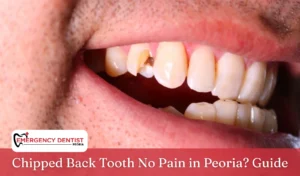
A collision with another athlete or contact with equipment or the ground can cause tooth fractures. Some involve only a small portion of the tooth, while others can extend into deeper structures.
The visible damage does not always show how much of the tooth has been affected. A dentist can examine the area and discuss the appropriate options based on the findings.
Loose, Shifted, or Knocked-Out Teeth
A strong blow may cause a tooth to become loose or move away from its normal position. In some accidents, a permanent tooth can be knocked completely out.
These situations may be dental emergencies and benefit from prompt professional attention. If a permanent tooth comes out and you locate it, handle it by the crown rather than the root and contact a dental professional as soon as possible for guidance.
Injuries Around the Teeth
Some oral injuries affect the gums, lips, tongue, or inside of the cheeks. Cuts and other soft tissue injuries may occur when these areas are struck directly or pressed against the teeth.
Because the same accident can affect multiple areas, a dental examination can help identify damage that may not be immediately noticeable.
How Do Dentists Evaluate Dental Trauma?
Following dental trauma, a dentist usually asks about how the accident occurred and examines the affected part of the mouth. The assessment may also include neighboring teeth, gums, and the patient’s bite.
Dental X-rays may provide additional information about areas that cannot be evaluated visually. More complicated injuries involving the facial structures or jaw may sometimes require assessment by an oral and maxillofacial specialist.
Treatment depends on the types of injuries identified during the examination. A small chip may need relatively simple care, while deeper or more extensive damage may require a different approach.
If an injury significantly affects the tissue inside a tooth, root canals may sometimes be considered as part of treatment. A dentist can determine whether this or another option is appropriate based on the condition of the tooth.
How Mouthguards Help Protect Athletes
A mouthguard provides cushioning around the teeth and can help reduce the direct force they receive during an impact. It may be useful for sports and recreational activities where falls, collisions, or moving equipment can put the mouth at risk.
Several designs are available. A custom fit guard is shaped specifically around an individual’s teeth and bite, which can help it stay securely in position during activity.
The mouthguard should also be inspected regularly. Cracks, tears, worn areas, distortion, or changes in fit can indicate that it should be replaced.
When Is Dental Care Appropriate After an Injury?
Some common dental injuries in sports are obvious immediately, while others may become noticeable later.
Contact a dental professional when a tooth breaks, becomes loose, changes position, or starts to feel different following an impact. Bleeding, swelling, or a noticeable change in how the upper and lower teeth meet can also warrant an evaluation.
A professional examination can help determine the extent of the injury and whether treatment or continued monitoring is appropriate.
Final Thoughts
No athlete can prevent every accident, but suitable protective equipment can help reduce the chance of dental damage. Wearing a well-fitting mouthguard is one practical way to protect the teeth during activities where impacts may occur.
If the mouth is injured, timely professional evaluation can help identify what was affected and determine the appropriate next steps.
Find the Right Next Step After a Sports Injury in Peoria
When an unexpected collision or fall damages a tooth, a dental evaluation can help determine the extent of the injury and whether treatment is needed.
An Emergency Dentist in Peoria can assess broken, loose, displaced, or knocked-out teeth and recommend appropriate care. If a sports-related dental injury occurs, contact the dental team for guidance on what to do next.
Frequently Asked Questions
Can baseball or softball cause dental injuries?
Yes. A ball, bat, collision, or fall can cause an impact to the mouth. Athletes should use the protective equipment recommended for their sport and consider appropriate dental protection.
Can I wear a mouthguard if I have dentures?
It depends on the type of denture and the activity. Because removable dental appliances can affect fit and safety, ask your dentist what protection is appropriate before participating in sports.
What should I do if my tooth feels loose but does not hurt?
A loose tooth after an impact should still be evaluated even when it is not painful. Avoid repeatedly moving or testing the tooth and contact a dentist for guidance.
Does a mouthguard need to cover every tooth?
Sports mouthguards are designed to provide protection while allowing the athlete to breathe and function comfortably. The appropriate design and coverage can vary, so follow the fitting instructions or your dentist’s recommendation.
Can a tooth injury become noticeable days after a sports accident?
Yes. Some changes may not be apparent immediately after an impact. If you later notice discomfort, sensitivity, discoloration, movement, or another change in the affected area, contact a dentist for an evaluation.