

Wisdom Teeth Extraction: When Should You Act?
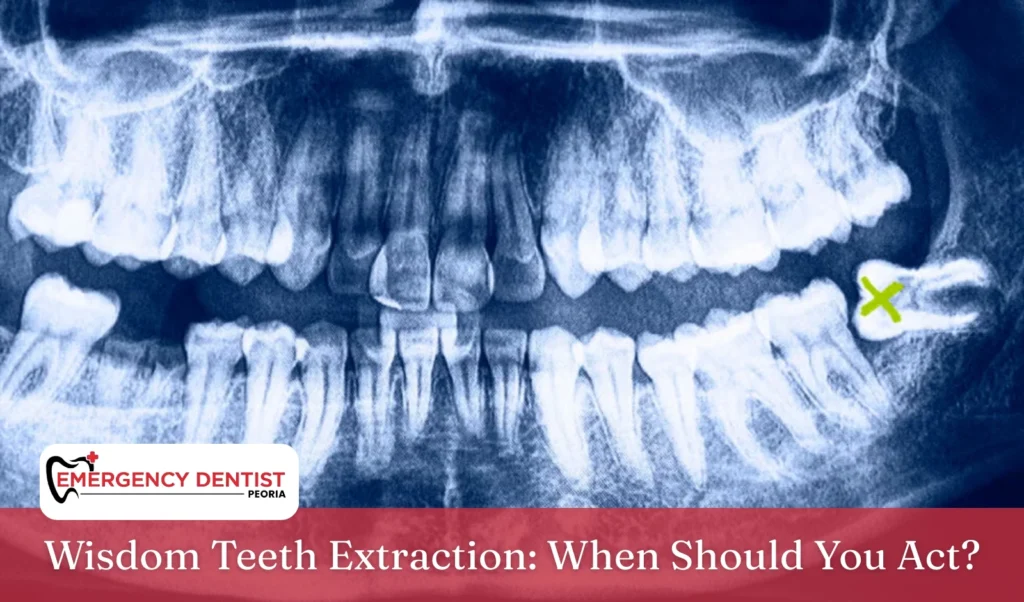
Quick Answer
How long does wisdom teeth removal take?
In most cases, wisdom tooth removal takes about 30 to 60 minutes. The exact timing depends on how many teeth are involved, whether there are impacted wisdom teeth, and how complex the oral surgery procedure may be.
Key Takeaways
- Wisdom teeth extraction is a common preventive dental procedure
- Impacted wisdom teeth can increase the risk of gum disease and tooth decay
- Most teeth extraction procedures are completed in under an hour
- Emergency wisdom tooth removal may be needed during a dental emergency
- Protecting the blood clot at the extraction site during the first 24 hours is critical for healing
Pressure at the back of your mouth, irritated gum tissue, or increasing pain and swelling can raise concerns quickly. Many people wonder whether wisdom tooth removal is truly necessary or if symptoms will resolve on their own. Others ask, how long does wisdom teeth removal take, and whether the procedure will be uncomfortable.
Wisdom teeth extraction is often recommended to prevent long-term oral health problems. Understanding why these teeth cause issues, what happens during wisdom tooth extraction, and when emergency wisdom tooth removal becomes necessary can help you make informed decisions with confidence.
Why Wisdom Teeth Often Need Removal
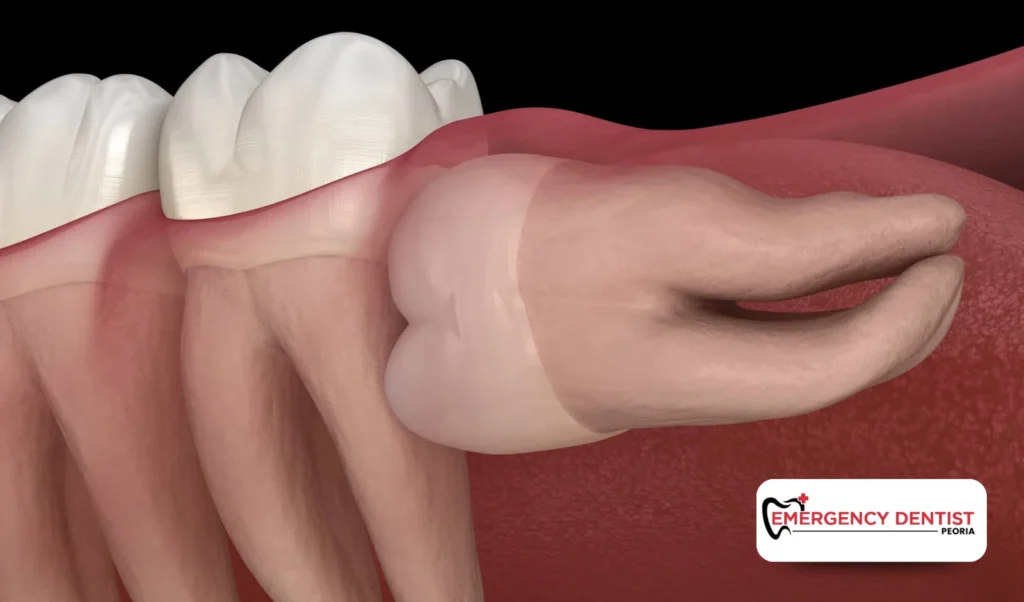
Wisdom teeth are the last molars to develop. They usually appear in the late teens or early twenties. Because the jaw often lacks enough space, these teeth may not erupt properly.
When there is limited room, impacted wisdom teeth can develop. An impacted wisdom tooth may stay partially hidden beneath the gum tissue or grow at an angle against nearby teeth. This positioning makes cleaning difficult and increases the risk of gum disease and tooth decay.
Common reasons for wisdom teeth extraction include:
- Impacted wisdom teeth trapped beneath the gums
- Teeth pressing against neighboring molars
- Crowding that affects alignment
- Ongoing pain and swelling
- Difficulty cleaning the area, increasing infection risk
In some situations, impacted wisdom teeth are linked to fluid filled sacs that develop around the tooth. If left untreated, these sacs may affect surrounding bone or tissue. Early wisdom tooth extraction helps prevent complications from progressing.
What Is Impacted Wisdom Tooth Removal?

An impacted wisdom tooth is one that cannot fully emerge through the gum tissue. Some may be partially visible, while others remain completely beneath the surface.
When impacted wisdom teeth are identified, a dentist or oral surgeon may recommend oral surgery to remove them safely. This type of tooth extraction often involves local anesthesia to numb the area. In certain cases, sedation may be offered for comfort during the surgical procedure.
Removing an impacted wisdom tooth reduces the risk of infection, damage to nearby teeth, and ongoing discomfort.
What Happens During Wisdom Tooth Extraction?
It is natural to feel nervous about oral surgery. However, wisdom teeth extraction is a routine procedure performed by experienced professionals.
During wisdom tooth removal:
- Local anesthesia is administered to numb the area
- Sedation may be used if needed
- The dentist or oral surgeon gently removes the tooth
- The extraction site is cleaned thoroughly
- Gauze is placed to help a blood clot form
The blood clot that forms at the extraction site is essential for healing. It protects the underlying bone and nerves while new tissue develops.
For most patients, how long does wisdom teeth removal take? The answer is typically less than one hour, even when impacted wisdom teeth require additional care.
When Is Emergency Wisdom Tooth Removal Needed?

Not every case requires immediate action. Many patients schedule an appointment in advance for planned wisdom tooth removal. However, certain symptoms may indicate a dental emergency.
Emergency wisdom tooth removal may be necessary if you notice:
- Severe or worsening pain and swelling
- Swelling spreading to the jaw or face
- Difficulty opening your mouth
- Signs of infection near the impacted wisdom tooth
An untreated impacted wisdom tooth can quickly lead to more serious complications. Seeking prompt evaluation during a dental emergency reduces risk and protects overall oral health.
The First 24 Hours After Surgery
The first 24 hours after wisdom teeth extraction are especially important. During this period, your body works to stabilize the blood clot at the extraction site.
If that blood clot becomes dislodged, a condition known as dry socket may develop. This can cause significant discomfort and delay recovery.
To protect healing during the first 24 hours:
- Bite gently on gauze as directed
- Avoid using straws
- Do not rinse forcefully
- Rest and avoid strenuous activity
Following these steps supports a smoother recovery after oral surgery.
What Recovery Feels Like
Mild pain and swelling are normal after wisdom tooth extraction. This reaction is part of the body’s natural healing process.
Swelling usually peaks within a couple of days and then gradually improves. Soft foods are recommended while the extraction site heals. Options such as yogurt, soups, or mashed vegetables are easier to manage during early recovery.
Maintaining oral hygiene remains important. Gentle brushing away from the surgical area helps keep the mouth clean without disturbing the healing gum tissue.
If discomfort increases rather than improves, or if new symptoms develop, contacting your dentist or oral surgeon is recommended.
Long-Term Benefits of Wisdom Tooth Removal
Although wisdom teeth extraction may seem inconvenient at first, it often prevents more serious issues in the future.
Removing impacted wisdom teeth reduces the likelihood of:
- Chronic gum disease
- Repeated infections
- Damage to surrounding molars
- Structural crowding
Addressing concerns early helps protect your smile and overall dental stability.
Final Thoughts
Wisdom teeth extraction is often done to prevent pain, infection, and long-term problems. Not every situation requires emergency wisdom tooth removal, but ignoring ongoing symptoms can make things worse. Knowing what happens during wisdom tooth extraction and watching for signs of a dental emergency can help you decide when it’s time to see a dentist.
Early Treatment Protects Your Smile
If back-tooth discomfort is interfering with your daily routine, professional evaluation can provide clarity and relief. Whether you need planned wisdom tooth removal or emergency wisdom tooth removal, early care helps prevent more serious complications.
The team at Emergency Dentist in Peoria provides careful assessments and safe oral surgery options tailored to your needs. If you are experiencing pain and swelling or suspect a dental emergency, do not wait.
Schedule an appointment with an Emergency Dentist in Peoria today to protect your oral health and regain comfort with confidence.
Frequently Asked Questions
Is wisdom teeth extraction always urgent, or can I wait?
If I am not in severe pain, wisdom tooth extraction can often be planned. However, sudden symptoms may require emergency wisdom tooth removal.
How long does wisdom teeth removal take if the tooth is impacted?
If I have an impacted wisdom tooth, the procedure may take slightly longer, but most teeth extraction appointments are still completed within about an hour.
Who performs wisdom tooth extraction?
Wisdom tooth removal is typically handled by a dentist or oral surgeon trained in oral surgery procedures.