

What Causes Tooth Pain?
Relief and Warning Signs
Quick Answer
What causes tooth pain?
Tooth pain causes range from tooth decay and gum disease to infection, cracks, and tooth sensitivity. While medicine may provide short-term pain relief, lasting results require treating the source of the problem.
Key Takeaways
- The most common causes of tooth pain include cavities, infection, and gum recession.
- Tooth pain symptoms such as swelling, bleeding gums, or fever may signal a tooth abscess or dental abscess.
- Over-the-counter medications can ease discomfort temporarily.
- Home remedies help manage symptoms but do not cure tooth infection pain.
- Early stage treatment protects tooth enamel, prevents bone loss, and supports healthy teeth and gums.
Tooth pain can start suddenly or build slowly over time. It might feel sharp when chewing, dull and constant, or sensitive to temperature. Dental pain can interrupt meals, sleep, and daily tasks. Understanding what causes tooth pain helps you respond quickly and choose the right treatment options before the issue worsens.
If you are experiencing discomfort in Peoria, knowing the common tooth pain causes can guide you toward the right care.
Common Causes of Tooth Pain
Many people ask about the causes of tooth pain when symptoms appear without warning. Below are the most frequent reasons.
Tooth Decay and Cavities
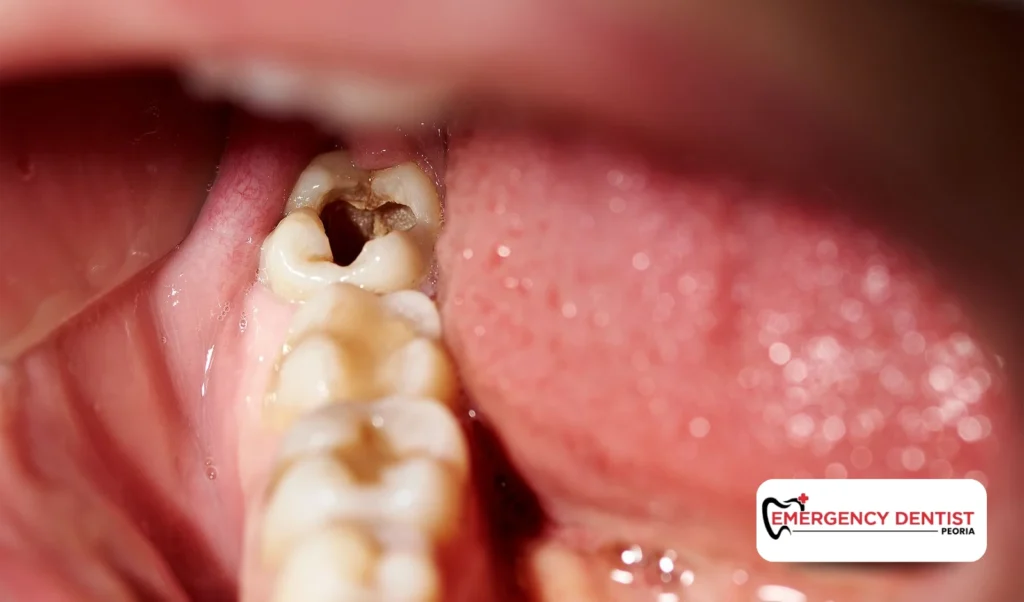
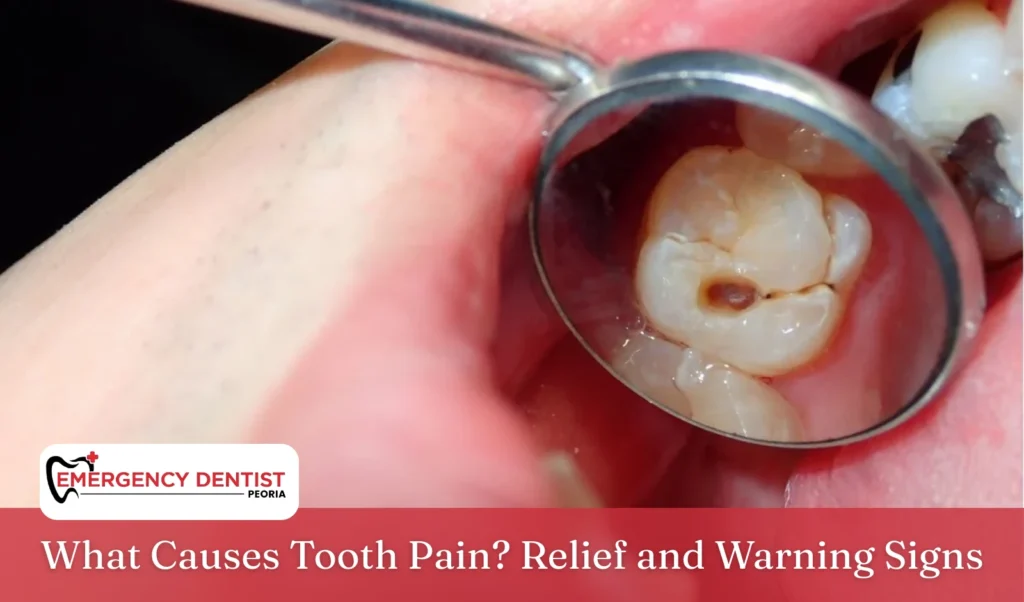
Tooth decay pain develops when bacteria damage tooth enamel. Over time, this leads to cavities and possible tooth cavity pain. You may notice a hole in tooth pain while chewing or sensitivity to sweets.
Without care, decay spreads deeper into the tooth and can trigger tooth infection pain. Poor oral hygiene, frequent sugar intake, and dry mouth increase risk. To reduce problems, brush your teeth at least two times a day and floss daily to protect your teeth and gums.
Gum Disease and Gum Recession
Gum pain by tooth may be related to gum disease and tooth pain occurring together. In the early stage, bleeding gums are often the first warning sign. As inflammation progresses, gum recession or receding gums can expose sensitive roots.
This may lead to tooth sensitivity and cold and tooth pain when drinking chilled beverages. If untreated, gum disease can damage supporting structures and even cause bone loss or loose tooth pain.
Tooth Infection and Abscess
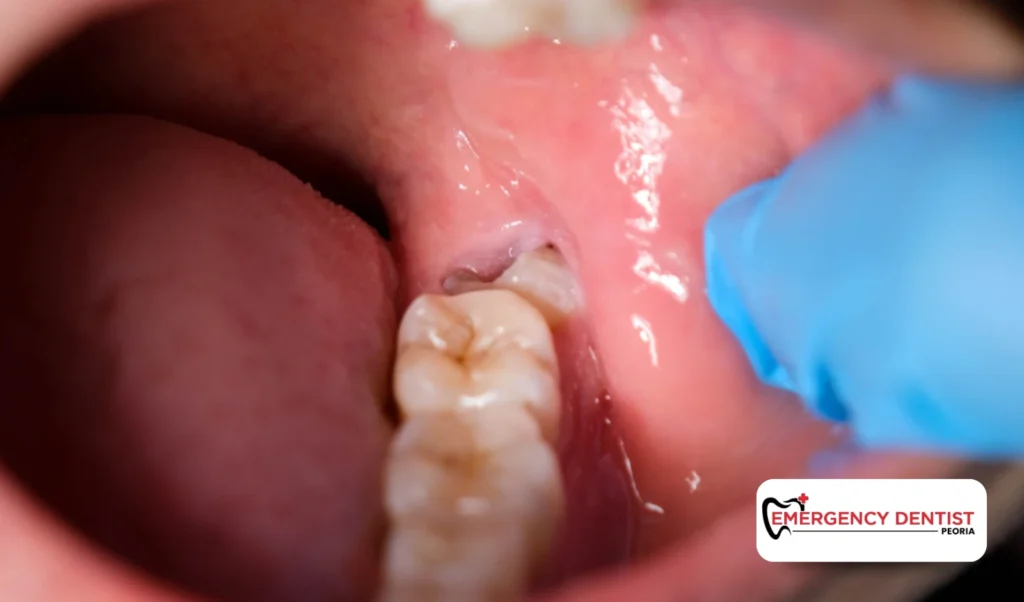
Tooth infection pain is often intense and persistent. When bacteria reach the inner pulp, a tooth abscess or dental abscess can form. Abscess tooth pain typically feels throbbing and may radiate to the jaw.
Other tooth pain symptoms may include:
- Facial swelling
- Fever
- Bad taste in the mouth
- Difficulty biting
A tooth abscess requires urgent care to prevent complications.
Cracked or Damaged Teeth
A chipped or cracked tooth can cause sharp discomfort, especially during chewing. Cold and tooth pain are also common signs. Even minor fractures may allow bacteria to enter and cause infection.
Over-the-Counter Pain Relief
When dental pain strikes, medication can help manage symptoms until you visit your dentist.
Ibuprofen: Ibuprofen reduces inflammation and provides effective pain relief, especially for gum disease and tooth pain or swelling.
Acetaminophen: Acetaminophen blocks pain signals and may ease tooth decay pain when swelling is minimal.
Always follow dosage guidelines and consult a provider if unsure.
Prescription Treatment Options
If over-the-counter medication is not enough, stronger solutions may be needed. Antibiotics are often prescribed for a dental abscess. In certain cases, short-term prescription pain medication may also be recommended.
However, true relief comes from addressing the root cause through professional treatment options.
Home Remedies for Temporary Comfort
If you cannot immediately schedule an appointment, certain home remedies may reduce discomfort:
- Rinse with warm saltwater
- Apply a cold compress to the cheek
- Use clove oil carefully
- Elevate your head while resting
These measures offer temporary pain relief but do not replace dental care.
When to Seek Professional Care
If pain lasts longer than two days or worsens, it is time to seek help. Swelling, fever, bleeding gums, or loose tooth pain may indicate infection.
Treatment options may include:
- Fillings for cavities
- Deep cleaning for gum disease
- Root canal therapy for infected teeth
- Tooth extraction when necessary
Early visits to your dentist can stop issues before they become severe. Addressing gum recession or decay in the early stage helps protect tooth enamel and reduce the risk of bone loss.
Prevention Tips
Healthy habits protect your smile. Brush your teeth at least two times a day, floss daily, and maintain routine dental visits. Staying hydrated helps reduce dry mouth and supports enamel health. Avoiding poor oral hygiene lowers your risk of infection and dental pain.
Strong daily care keeps teeth and gums healthy long term.
Final Thoughts
Tooth pain is often a sign that something needs attention. Whether caused by decay, infection, or gum problems, ignoring symptoms may lead to bigger complications. Identifying what causes tooth pain early allows you to protect your oral health and avoid long-term damage.
Take Control of Tooth Pain Today
Temporary solutions may ease discomfort, but professional care is the safest path to lasting relief. If you are experiencing dental pain, swelling, or signs of infection, do not delay care.
Contact Emergency Dentist in Peoria for prompt evaluation and compassionate treatment. Schedule an appointment today to restore comfort and safeguard your smile.
Frequently Asked Questions
Why does my tooth hurt even if I brush my teeth regularly?
Even with good habits, cavities, gum recession, or small cracks can still develop and cause pain.
Can dry mouth really increase tooth pain causes?
Yes. Dry mouth reduces saliva, which protects tooth enamel and helps prevent decay.
How serious is abscess tooth pain?
Abscess tooth pain can signal infection. Without treatment, it may spread and cause serious complications.