

Tooth Pain After Dental Treatment: When to Act
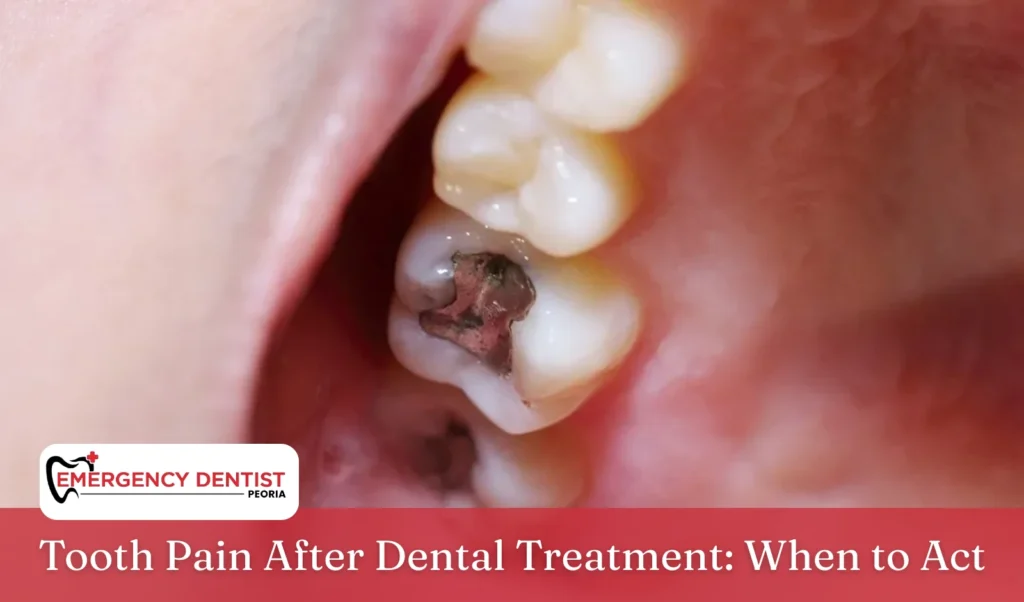
Quick Question
Is tooth pain after a dental procedure something to worry about?
Mild tooth pain or tooth sensitivity is common after treatments like extractions, dental fillings, or crown placement. However, if pain persists, worsens, or comes with swelling or fever, it may be a sign of infection. In those cases, you should contact your dentist promptly.
Key Takeaways
- Tooth pain after tooth pulled, filling, or crown placement is often part of normal healing.
- Tooth sensitivity to pressure or cold foods is common after dental fillings.
- Pain after a filling that increases when biting may require an adjustment.
- A bad taste, swelling, or severe discomfort may be a sign of infection.
- If pain persists longer than a few days, consult your dentist for evaluation.
Experiencing tooth pain after dental care can be frustrating. Many patients expect relief once tooth decay has been treated or a damaged tooth repaired. When you still feel pain afterward, it is natural to question whether something went wrong.
Whether you notice tooth pain after tooth pulled, tooth pain after filling, or tooth pain after crown placement, understanding what is typical during recovery helps you respond calmly and appropriately. Some soreness is expected, especially as tissues heal. However, symptoms that intensify or do not improve deserve attention.
If you are in Peoria and unsure whether your discomfort is normal, knowing the difference between healing and complication can protect your oral health.
Tooth Pain After Tooth Pulled: What Is Normal?
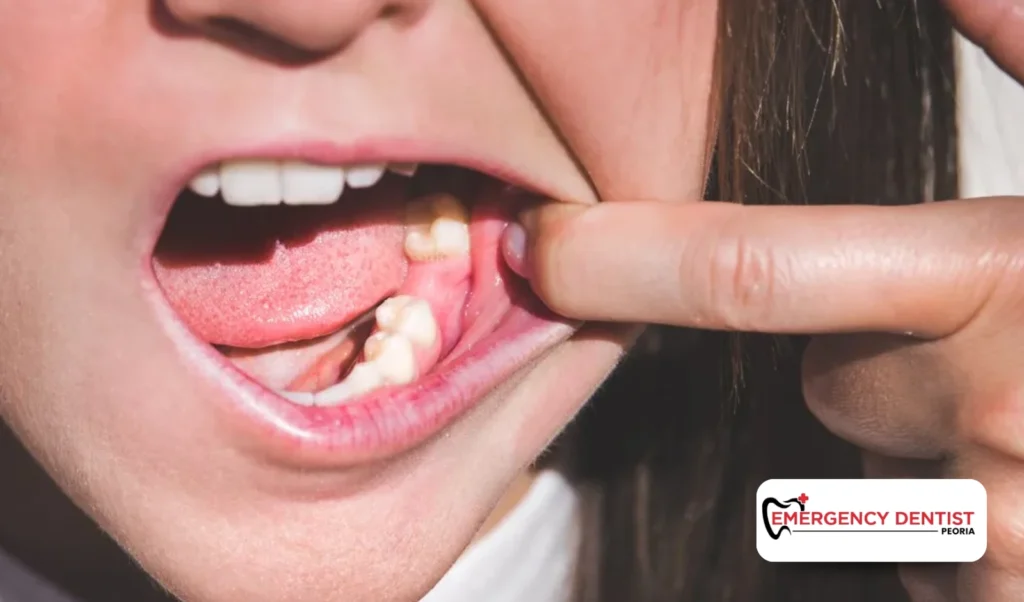
Tooth pain after tooth extraction is especially common within the first 24 hours. After a tooth is removed, a clot forms over the extraction site to protect the bone and nerves underneath. Mild swelling and tenderness are expected during this early phase.
To support healing, avoid straws, smoking, and forceful rinsing for the first day. Disturbing the clot can lead to dry socket, which causes significant pain and exposes the bone.
Watch for warning signs such as:
- Pain that increases two or three days later
- A persistent bad taste
- Visible bone at the extraction site
These symptoms may signal a complication. Managing pain with a cold compress on the outside of the cheek can help reduce swelling. Soft foods and gentle rinsing after the first 24 hours also support recovery. If discomfort becomes intense or does not improve, contact your dentist.
Tooth Pain After Filling: Sensitivity or Something More?
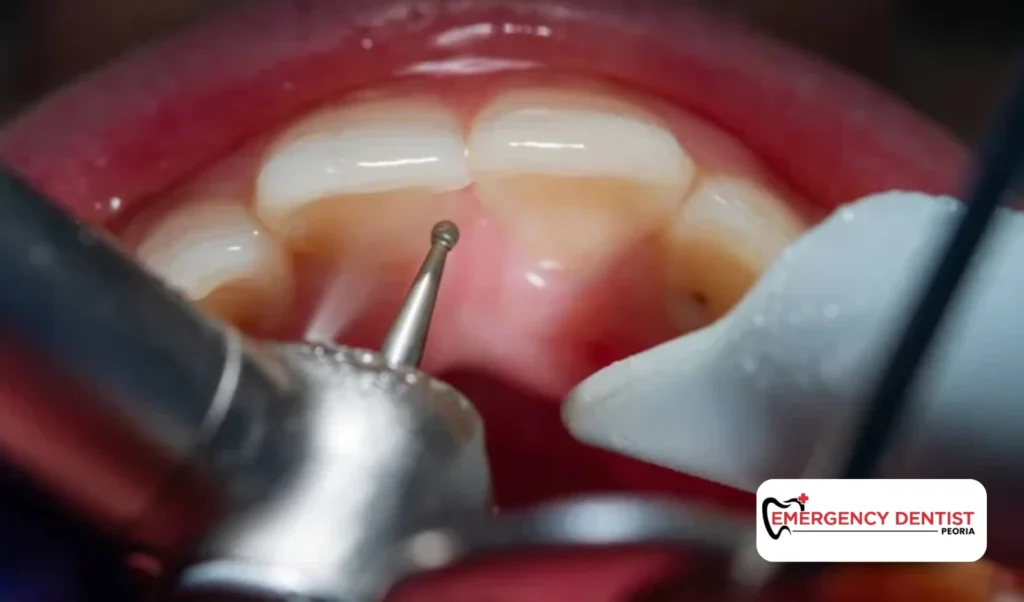
Tooth pain after filling is another common concern. Dental fillings, including those made from composite resin, restore areas damaged by tooth decay. After treatment, it is normal to feel tooth sensitivity to pressure, air, or cold foods.
Sensitive teeth usually settle within a few days. However, pain after a filling that feels sharp while chewing may indicate the filling is slightly high. Even a small imbalance can strain the tooth and surrounding tissue.
If decay was deep, nerve irritation may occur. This can lead to lingering or throbbing discomfort. Filling tooth pain after several days should not be ignored. If pain persists, consult your dentist to determine whether further treatment is necessary.
Counter pain relievers such as ibuprofen may help with managing pain temporarily, but they will not correct a structural issue.
Filling Tooth Pain After Treatment: Bite Concerns
If filling tooth pain after treatment develops once numbness fades, consider when you feel pain. Does it happen only while biting, or does it occur even at rest?
A minor bite imbalance is a frequent cause. Adjusting the filling can relieve pressure quickly. Less often, bacteria may enter beneath the restoration, allowing tooth decay to return under the surface.
Maintaining good oral hygiene and avoiding hard foods right after treatment reduces risk. If symptoms continue beyond a few days, it is best to consult your dentist for evaluation.
Tooth Pain After Crown Placement
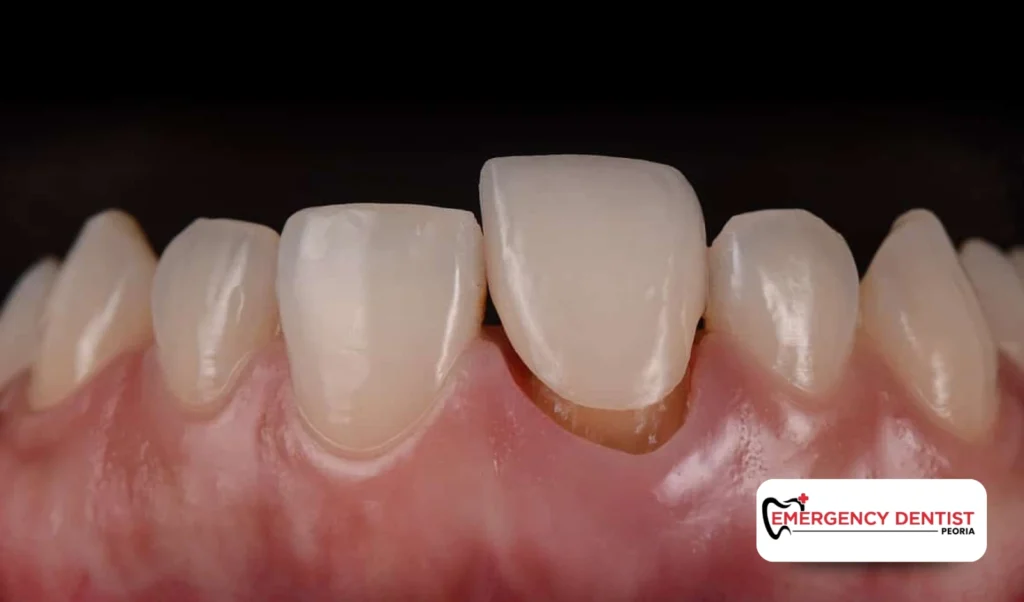
A dental crown is designed to strengthen a weakened tooth. Still, tooth pain after crown placement can occur. During crown placement, the tooth is reshaped, which may temporarily irritate inner tissues.
Mild tooth sensitivity to cold foods is common at first. However, persistent discomfort may have other causes.
Possible explanations include:
- A crown sitting too high
- Ongoing nerve irritation
- A sign of infection beneath the crown
- Pressure from teeth grinding or clenching
If tooth pain after crown placement lasts more than several days, contact your dentist. A simple adjustment may resolve the issue. In more complex cases, further care may be needed to protect the tooth long term.
Managing Pain at Home
If you are waiting for care in Peoria, you can take steps to ease discomfort:
- Use counter pain relievers as directed
- Apply a cold compress for 15–20 minutes
- Rinse gently with warm salt water
- Eat soft foods and avoid extreme temperatures
- Stay hydrated and avoid acidic beverages
These steps support managing pain but do not replace professional evaluation if symptoms worsen.
When to Seek Urgent Dental Care
While mild soreness is normal, certain symptoms require prompt attention:
- Pain persists longer than three to five days
- Swelling or fever develops
- You notice discharge or a bad taste
- You cannot eat or sleep comfortably
These may indicate infection or deeper complications. Contact an Emergency Dentist in Peoria if these signs appear. Early treatment prevents more serious problems.
Final Thoughts
Tooth pain after dental treatment can be unsettling, but it does not always signal a problem. Healing tissues often need time to settle. Monitoring your symptoms carefully is key.
If discomfort lingers, intensifies, or feels unusual, it is always safest to consult your dentist. Prompt care protects both your comfort and your long-term oral health.
Experiencing Ongoing Tooth Pain? Act Now
Persistent discomfort should not disrupt your daily life. Whether you are dealing with tooth pain after tooth pulled, pain after a filling, or tooth pain after crown treatment, Emergency Dentist in Peoria provides timely, professional care.
Call today to schedule your same-day evaluation and receive expert guidance focused on restoring comfort and protecting your smile.
Frequently Asked Questions
Why do I still feel pain after a filling days later?
Mild tooth sensitivity is common, but if pain persists or worsens, consult your dentist to check for bite issues or nerve irritation.
How long should tooth pain last after crown placement?
Temporary discomfort may last a few days. If it continues beyond that, contact your dentist for evaluation.
What are signs of infection after a tooth extraction?
Increasing pain, swelling, or a bad taste near the extraction site may be a sign of infection. Seek dental care promptly.