

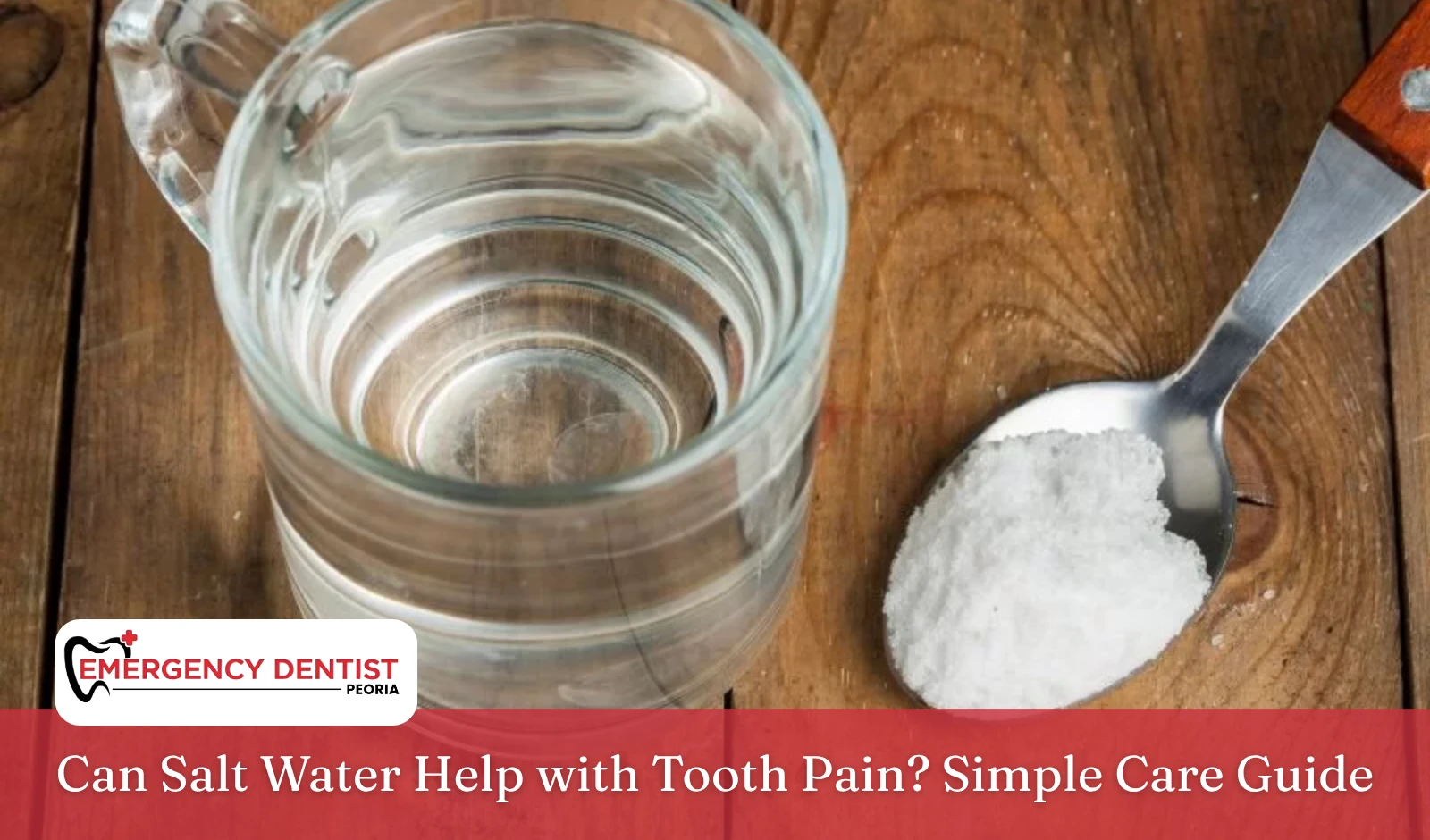
Can Salt Water Help with Tooth Pain? Simple Care Guide
Quick Answer
Can salt water help with tooth pain?
A basic saltwater rinse may support pain relief by helping clean the mouth and calm irritation in the affected area, but it does not treat the root cause of the problem.
Key Takeaways
- Salt water may help clean and soothe irritated tissues
- It can support short-term toothache relief
- Cold compresses can help reduce swelling
- Home remedies offer temporary comfort
- Persistent pain should be evaluated by a dentist
Living with tooth pain can make everyday activities more difficult. Eating, speaking, or even relaxing may feel uncomfortable when symptoms begin. Because of this, many people turn to simple home remedies to manage discomfort before seeking professional care.
A common question is, does salt water help tooth pain when a quick and easy solution is needed. Salt water has been used for years as a gentle method to support oral health, especially when gums feel irritated or sensitive.
Although it does not treat the underlying issue, it may help reduce pain temporarily and keep the mouth cleaner.
Why Salt Water May Help Ease Discomfort

To better understand why does salt water help tooth pain, it helps to look at how it works. Salt has natural cleansing properties that may help remove bacteria and debris.
When you rinse your mouth, the solution may help clear irritants around a sore tooth, which can reduce pressure and improve comfort.
Salt water may also draw fluid away from swollen tissues. This can help reduce inflammation and ease pain and inflammation in the gums. As swelling decreases, pressure on nearby blood vessels may lessen, which can improve overall comfort.
In addition, salt water may act as a mild anti inflammatory option that supports the body’s natural healing process.
How to Prepare a Saltwater Rinse
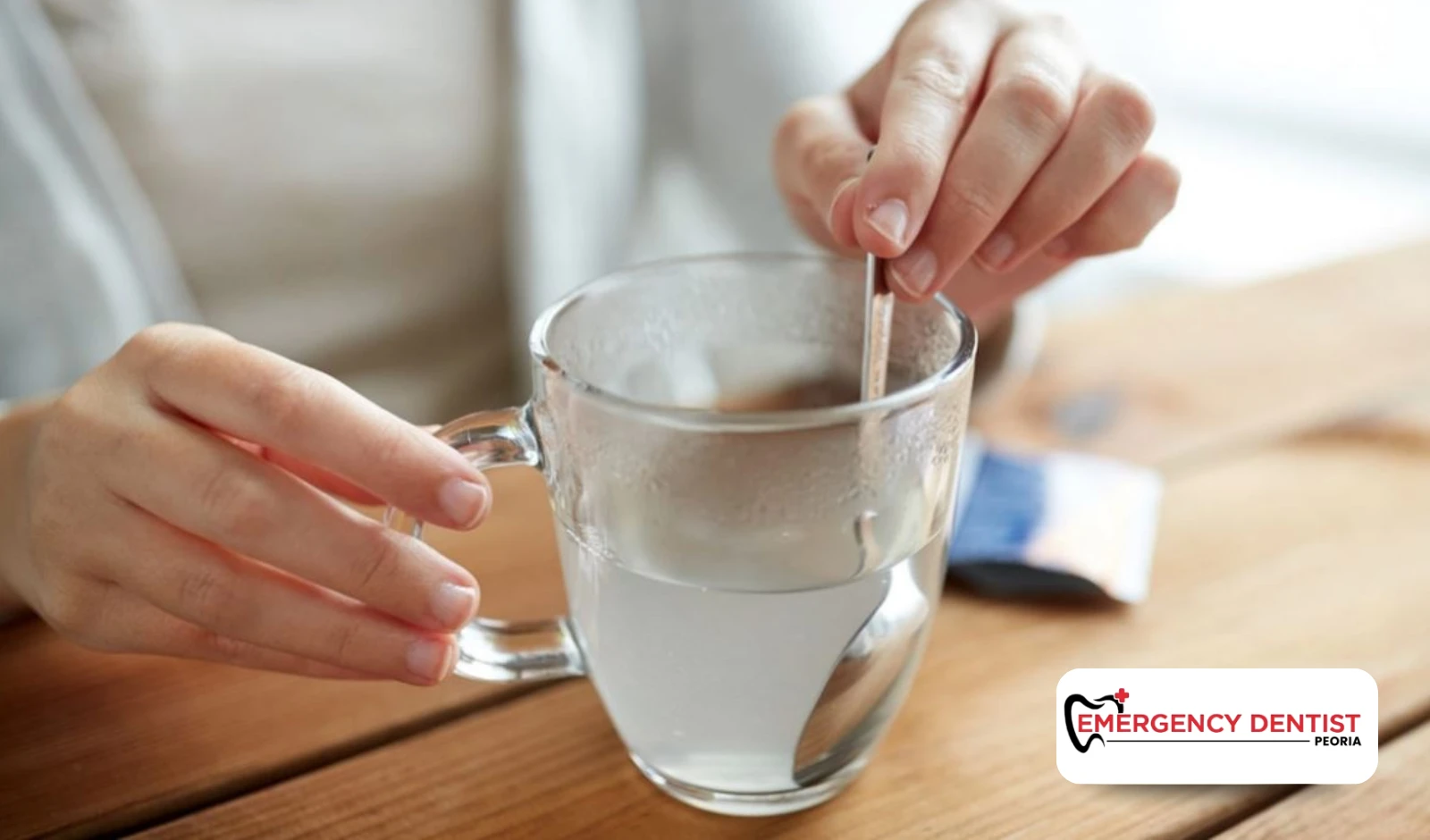
Making a rinse at home is simple and quick:
- Mix one teaspoon of salt into a cup of warm water
- Stir until the salt dissolves fully
- Take a small sip and gently swish it around your mouth
- Focus on the sore or affected area
- Spit it out after about 30 seconds
You can repeat this process a few times each day to help keep the mouth clean and support comfort.
Other Ways to Support Toothache Relief
A saltwater rinse can help, but combining it with other simple methods may improve results.
A cold compress placed on the outside of your cheek can help numb discomfort and reduce swelling. It works by affecting nearby blood vessels, which can help limit irritation. For best results, apply it for about 20 minutes at a time.
Over-the-counter pain relievers may also help manage discomfort and provide temporary relief.
Some people may also consider using hydrogen peroxide in diluted form to help clean the mouth. However, it should be used carefully and not too often without guidance.
These methods may provide temporary toothache relief, but they do not treat deeper dental problems.
Final Thoughts
Salt water is a simple and accessible way to manage mild dental discomfort at home. It can help clean the mouth, reduce irritation, and provide short-term comfort. However, it should always be used as a temporary solution.
If your symptoms continue, professional dental care is the best way to address the cause and restore comfort.
Get the Care You Need Before Pain Worsens
If your discomfort continues or becomes more intense, it’s important to take action. Ongoing symptoms may point to a deeper dental issue that requires proper care.
An Emergency Dentist in Peoria can assess your condition and recommend the right treatment to relieve pain and protect your oral health. Early attention can help prevent complications and support a smoother recovery.
Frequently Asked Questions
Can salt water help reduce pain from a sore tooth?
It may help clean the area and reduce irritation, which can provide temporary comfort for a sore tooth.
How long should I apply a cold compress for tooth pain?
Using a cold compress for about 20 minutes at a time may help reduce swelling and numb discomfort.
Is hydrogen peroxide safe for managing tooth pain?
It can be used occasionally in diluted form, but it should not replace professional dental care.