

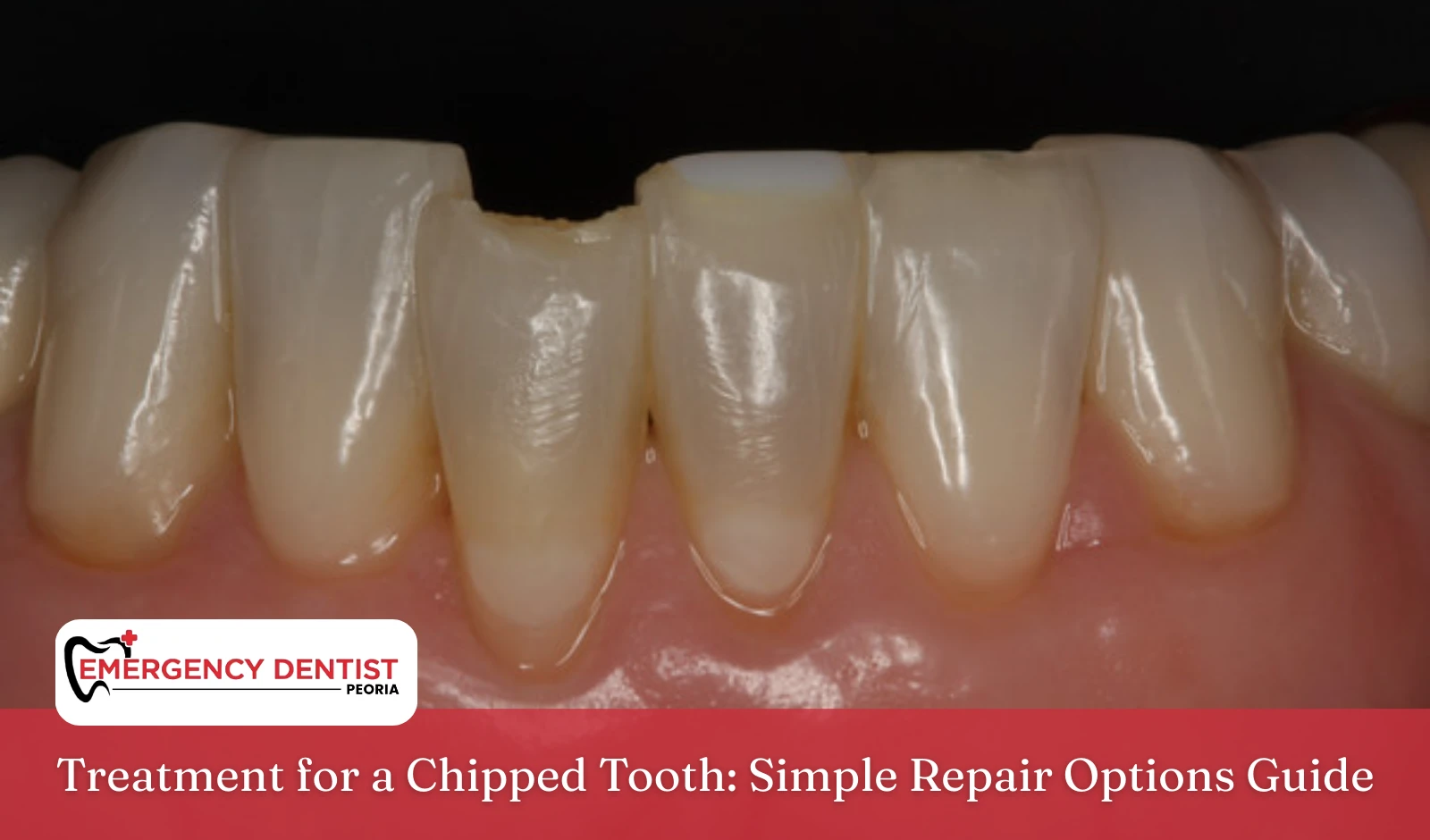
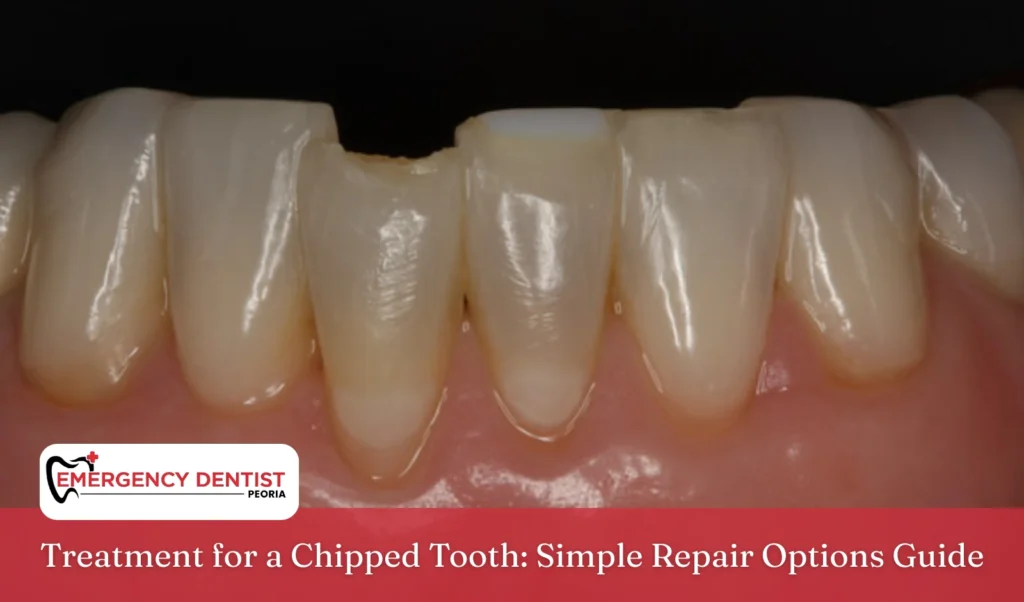
Treatment for a Chipped Tooth: Simple Repair Options Guide
Quick Answer
What is the best treatment for a chipped tooth?
The right treatment for a chipped tooth depends on how deeply the tooth is affected. Minor chips may be repaired with dental bonding, while more serious fractures may require dental veneers, a dental crown, root canals, or a dental implant. Early care helps protect the natural tooth and prevent further damage.
Key Takeaways
- Chipped teeth may worsen even if discomfort is minimal.
- A sharp edge or jagged edge can irritate soft tissues and increase infection risk.
- Treatment options range from bonding to crowns and implants depending on severity.
- Prompt care helps preserve the natural tooth and restore comfort.
- Addressing small chips early reduces the chance of deeper chips or cracks.
A chipped tooth can happen during everyday activities, such as biting hard food, experiencing an accident, or grinding your teeth at night. Even small damage to the surface of the tooth can create sensitivity and increase the risk of structural weakening.
Understanding when to seek treatment for a chipped tooth helps you respond quickly and avoid complications. Whether you chip a tooth slightly or lose a larger part of the tooth, early evaluation supports effective recovery and comfort.
Common Causes of Chipped Teeth
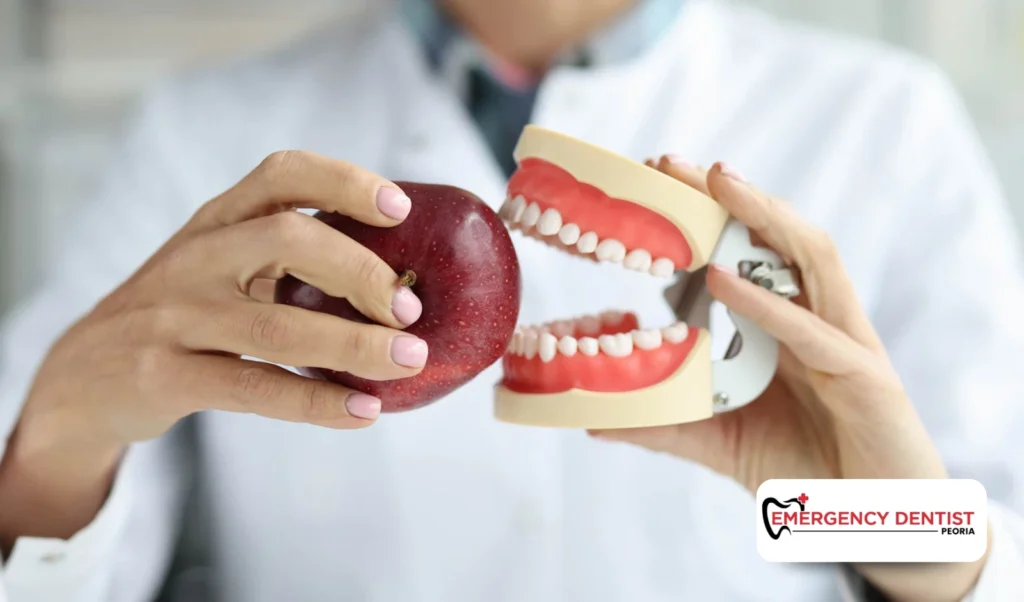
Although enamel is strong, it can still fracture under pressure or when weakened.
Frequent causes of chipped teeth include:
- Chewing ice, candy, or other hard foods
- Sports injuries or accidental falls
- Teeth grinding and clenching
- Tooth decay weakening enamel
- Using teeth to open packages
After you chip a tooth, the damaged area may feel rough. A sharp edge can irritate soft tissues, while deeper chips or cracks may expose sensitive dentin and cause discomfort.
Seeking early care helps prevent further damage and maintain oral health.
When Is a Chipped Tooth an Emergency?
Not all chips cause pain right away, but many still require prompt attention. Deeper damage can lead to infection and structural instability.
Consider contacting a dental professional if you notice:
- Sensitivity to temperature or pressure
- Gum irritation or swelling
- A visible jagged edge
- Pain during chewing
- Cosmetic concerns affecting confidence
Early treatment for a chipped tooth improves comfort and increases the likelihood of preserving the natural tooth.
Best Treatment for Chipped Front Tooth
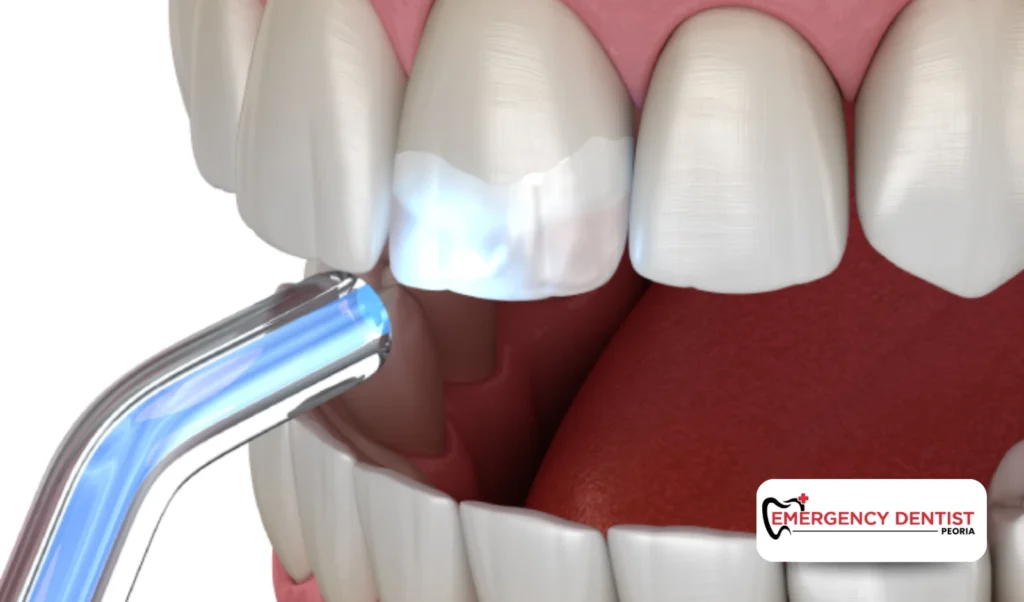
Because front teeth are highly visible, the best treatment for chipped front tooth concerns focuses on both function and appearance.
Dental Bonding
For small chips, dental bonding is often the preferred option. A tooth colored resin is applied, sculpted, and hardened to restore shape and smoothness.
Dental Veneers
When a chip affects appearance or a larger portion of enamel, dental veneers can cover the damaged area and strengthen the tooth while improving aesthetics.
Dental Crown
If a significant part of the tooth is missing or weakened, a dental crown may provide the most reliable protection and durability.
Choosing the correct treatment for chipped front tooth situations depends on damage severity and cosmetic preferences.
Treatment for a Chipped Tooth in More Advanced Cases
Some fractures extend into deeper layers and require additional care.
Root Canals
If infection or nerve exposure occurs, root canals may be needed to remove damaged tissue and seal the tooth, often followed by crown placement.
Dental Implant
When a tooth cannot be saved, extraction followed by a dental implant may be recommended to restore function and maintain jaw stability.
A thorough exam helps determine the most suitable treatment for a chipped tooth based on the extent of the damage.
Temporary Care Before Seeing a Dentist
If immediate dental care is unavailable, protective steps can help reduce irritation while repairing a chipped tooth is arranged.
Helpful suggestions include:
- Rinse with warm salt water
- Apply dental wax to cover a sharp edge
- Use over-the-counter pain relievers
- Avoid chewing on the damaged side
- Choose soft foods
These measures provide temporary comfort but should not replace professional treatment.
How Dentists Fix a Chipped Tooth
Dental evaluation focuses on the depth of damage and how much of the surface of the tooth is affected.
The process to fix a chipped tooth may include:
- Smoothing enamel for minor chips
- Rebuilding structure with bonding materials
- Placing veneers or crowns for durability
- Performing root canal therapy when needed
Modern techniques allow effective repair of a chipped tooth.
Preventing Future Chips
Preventive habits can lower the risk of future tooth damage.
Consider these tips:
- Wear a mouthguard during sports
- Use a nightguard for grinding
- Avoid chewing hard objects
- Treat cavities early
- Seek prompt care for small chips
Addressing minor chips early often prevents more serious fractures.
Final Thoughts
A chipped tooth may appear minor, but untreated damage can lead to discomfort and structural problems. Prompt treatment for a chipped tooth helps preserve the natural tooth, reduce sensitivity, and restore confidence. Early care makes recovery smoother and more effective.
Take Action Before a Small Chip Becomes Serious
Even minor tooth damage can worsen over time. If you notice chipped teeth, sensitivity, or a rough jagged edge, early care can help restore comfort and protect your smile.
Emergency Dentist in Peoria offers prompt evaluation and treatment to fix a chipped tooth and support long-term oral health. Whether you need bonding, crowns, veneers, or advanced care, timely treatment helps maintain comfort and confidence.
Schedule your dental visit today and take the next step toward restoring your smile.
Frequently Asked Questions
I chipped my tooth but it didn't hurt. Do I still need treatment?
Yes. Even painless small chips can worsen over time. A dental evaluation helps determine the most appropriate treatment for a chipped tooth before complications develop.
What can I do if my chipped tooth feels sharp while waiting for care?
You can place dental wax over the sharp edge, avoid chewing on that side, and rinse with warm salt water for temporary comfort.
Will repairing a chipped tooth look natural?
Most modern treatments, including dental bonding and veneers, use materials designed to blend with natural enamel for a seamless appearance.