

Quick Answer
What is the best medication for tooth pain?
For many patients, ibuprofen for tooth pain may help reduce inflammation and discomfort. In some cases, a healthcare professional may recommend using ibuprofen and acetaminophen together. The best choice depends on your symptoms, medical history, and existing health conditions. Because pain medicine only provides temporary relief and does not treat the underlying dental problem, seeing a dentist is important to identify the cause of the pain and determine whether treatment is needed.
Key Takeaways
- The best medication for tooth pain depends on the cause.
- Ibuprofen helps with swelling and pressure.
- Acetaminophen Tylenol reduces pain by affecting pain signaling in the brain.
- Prescription tooth pain medication like tramadol may be used briefly for severe cases.
- Home remedies such as a saltwater rinse or clove oil offer temporary comfort.
- Pain medications relieve pain but do not repair the affected tooth.
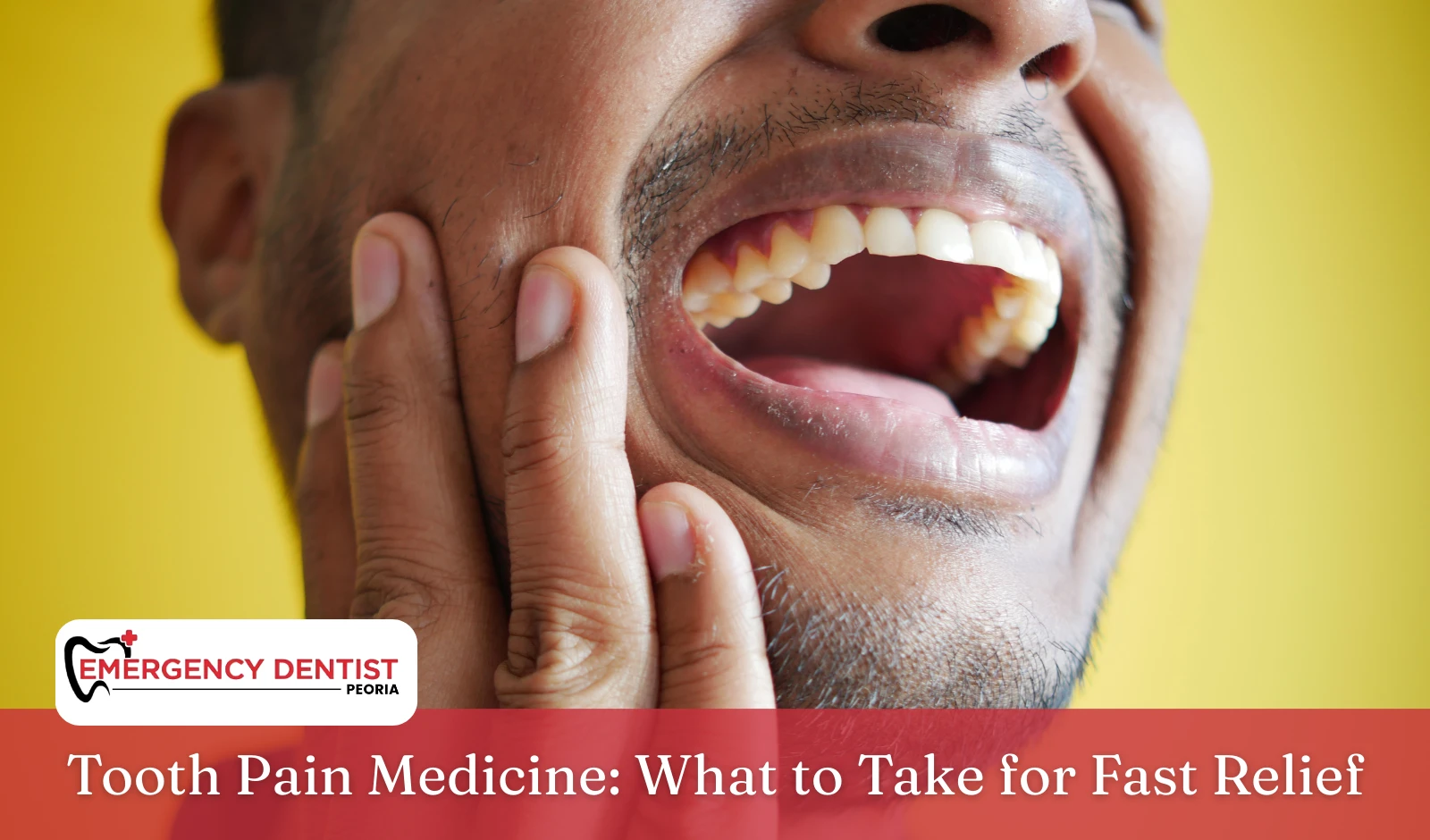
Tooth pain can appear without warning and quickly disrupt your daily routine. It may feel sharp and stabbing or steady and throbbing. Whether it is caused by cavities, gum disease, gum irritations, or sensitivity after dental procedures, knowing what to take for tooth pain can help you stay comfortable until you receive treatment.
Choosing the right medicine for tooth pain supports both comfort and long-term oral health.
Why Does Tooth Pain Start?
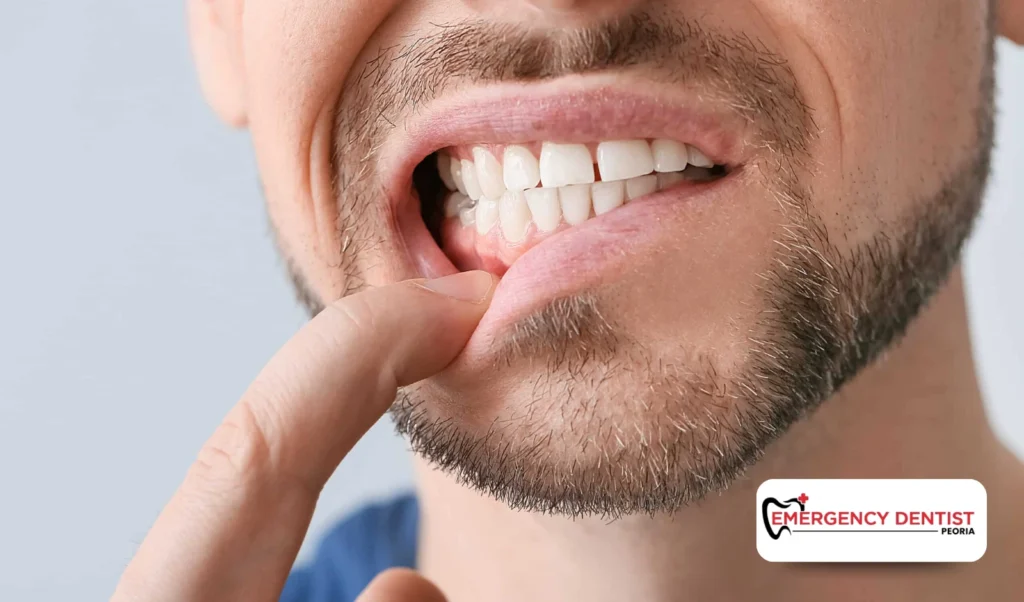
Pain in a tooth is usually a signal that something is wrong. The affected tooth or surrounding tissue may be inflamed, irritated, or infected. Common causes include:
- Tooth decay or deep cavities
- Gum disease and swollen gums
- Cracks or fractures
- Wisdom tooth pressure
- Abscess or infection
- Sensitivity after dental procedures like fillings, crowns, or dental implants
While tooth pain relief medicine can ease discomfort, it does not correct the underlying issue. Professional dental care prevents the problem from worsening.
Over-the-Counter Tooth Pain Medicine

For mild or moderate discomfort, a counter pain reliever is often the first step.
Ibuprofen for Tooth Pain
Ibuprofen, commonly sold as Advil for tooth pain, is a nonsteroidal anti-inflammatory drug (NSAID). It works by reducing inflammation in the tissues around the affected tooth. Since swelling creates pressure, this medication not only relieves pain but also addresses the source of discomfort.
Many dentists consider it among the best pain meds for tooth pain, especially when inflammation is present. When used properly, it is generally safe and effective for most healthy adults. However, individuals with certain health conditions, such as stomach or kidney concerns, should speak with a provider before using it.
Acetaminophen Tylenol
Another widely used tooth pain medication is acetaminophen Tylenol. Unlike NSAIDs, it does not focus on reducing inflammation. Instead, it works by influencing pain signaling in the brain, helping reduce the sensation of discomfort.
For patients who cannot tolerate NSAIDs, acetaminophen may be a better choice. In some cases, dental professionals recommend alternating ibuprofen and acetaminophen for improved comfort. Always confirm proper dosing with your healthcare provider before combining pain medications.
Prescription Medicine for Tooth Pain
When over-the-counter options are not enough, your dentist may prescribe stronger medication.
Tramadol for Tooth Pain
For severe discomfort, tramadol for tooth pain may be prescribed for short-term use. This opioid medication changes how the brain perceives pain.
However, tramadol for tooth pain side effects can include dizziness, nausea, drowsiness, or constipation. Because of these risks, it is typically used only when necessary and under supervision.
Steroid Anti-Inflammatory Medication
In cases involving significant swelling or infection, dentists may recommend medication focused specifically on reducing inflammation quickly. These drugs are sometimes used after complex dental procedures to manage tissue swelling and promote comfort.
Natural Ways to Support Relief
If you are waiting for your appointment in Covington, simple home care can help manage symptoms temporarily.
Saltwater Rinse
Mix a teaspoon of salt in warm water and gently rinse your mouth. This helps clean the area and calm irritated tissues. Avoid forceful swishing.
Cold Compress
Placing a cold pack against your cheek can help reduce swelling and numb discomfort near the affected tooth.
Clove Oil
Clove oil has natural numbing properties. Applying a small amount carefully may provide short-term comfort.
These methods are helpful for temporary support but do not replace professional treatment.
Related: Clove Oil for Tooth Pain: Temporary Fix or Real Help?
Choosing the Best Pain Reliever for Tooth Pain
The best meds for tooth pain depend on your symptoms:
- Swelling and pressure: Ibuprofen may be ideal.
- General soreness: Acetaminophen works well.
- Severe discomfort: Prescription medication may be required.
- Mild irritation: Home remedies can help temporarily.
Every patient is different. Consider your medical history and any health conditions before choosing a treatment.
Related: Home Remedies for Tooth Pain: 10 Fast Relief Options
When Pain Medication Is Not Enough
Even the best medication for tooth pain cannot repair a damaged tooth. If pain lasts more than two days, worsens, or includes fever or swelling, seek professional evaluation.
Treatment may include:
- Root canal therapy for infection
- Tooth extraction if the tooth cannot be saved
- Deep cleaning for advanced gum disease
- Repair or replacement of damaged dental implants
Addressing the cause protects your oral health and prevents further complications.
Final Thoughts
Tooth pain medicine can provide temporary comfort, but it does not treat the underlying dental problem. If symptoms persist or worsen, seeing a dentist is important to identify the cause of the pain and determine the appropriate treatment.
Take the Next Step Toward Relief
If discomfort continues despite using tooth pain medicine, it is time for an exam. Emergency Dentist in Peoria offers comprehensive evaluations and personalized treatment plans to identify the true cause of pain. Whether your concern involves infection, gum disease, or restorative needs, our team focuses on safe and effective solutions that support long-term comfort. Call today for fast relief and a clear treatment plan.
Related: Toothache Help Guide: ER, Urgent Care, or Emergency Dentist
Frequently Asked Questions
How long can I take medicine for tooth pain?
Tooth pain medicine may provide temporary relief, but it does not treat the cause of the pain. Follow the medication label or your healthcare professional’s instructions. If the pain continues or gets worse, see a dentist for an evaluation.
What can I do at home while waiting to see a dentist?
You can place a cold compress on the outside of your cheek for short periods to help with pain or swelling. A gentle warm saltwater rinse may also help keep your mouth clean. These steps provide temporary comfort but do not replace dental treatment.
When should I see a dentist for tooth pain?
See a dentist if your tooth pain continues, becomes severe, or keeps getting worse. Seek prompt care if you also have facial swelling, fever, difficulty swallowing, or other concerning symptoms.