

Quick Answer
Is wisdom teeth pain always an emergency?
No. Mild pressure or soreness can be part of normal tooth development. However, ongoing pain, swelling, or jaw stiffness is a good reason to schedule an appointment with a dentist for evaluation.
Key Takeaways
- The first signs of wisdom teeth coming in often include pressure, gum swelling, and jaw pain
- Many people notice symptoms around the ages of 17 and early adulthood
- Impacted wisdom teeth may not fully erupt and can affect long-term oral health
- Partially emerged teeth can increase the risk of gum disease and tooth decay
- Early dental visits help determine whether wisdom teeth removal is needed
If you’ve recently noticed pressure in the back of your mouth or discomfort that feels unfamiliar, you may be experiencing the first signs of wisdom teeth coming in. Patients often ask, “Is this normal?” or “When do wisdom teeth come in?” These questions are very common, especially during the late teen years and early adulthood.
Wisdom teeth are the last permanent teeth to develop. As they begin breaking through the gum, the process can feel uncomfortable or confusing. Understanding what symptoms are expected, what changes need attention, and when to seek dental care can help protect your oral health and reduce stress.
When Do Wisdom Teeth Come In?
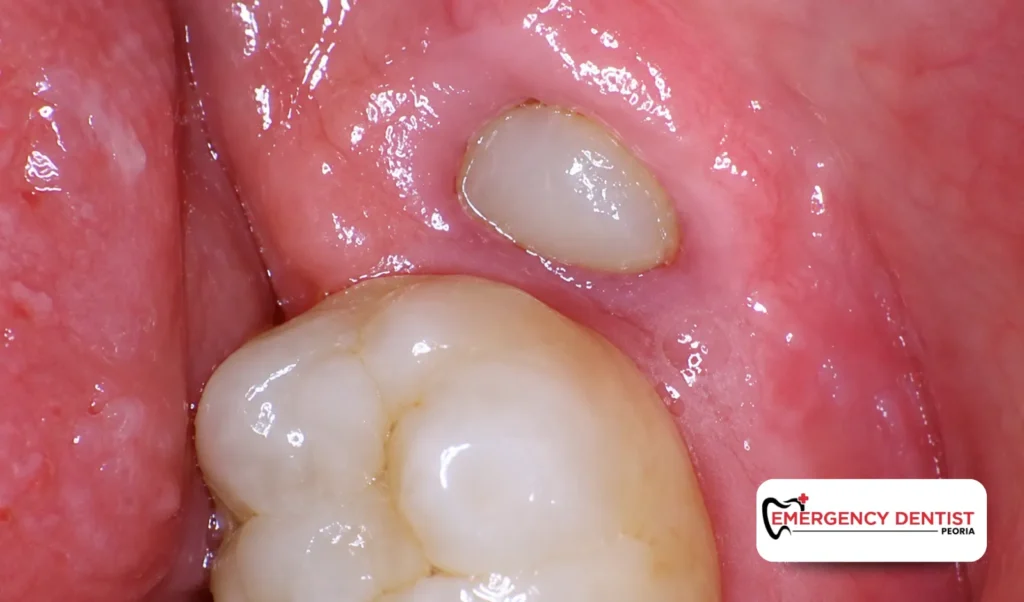
A common question many patients ask is, when do wisdom teeth come in?
For most people, wisdom teeth erupt sometime between the ages of 17 and the early twenties. That said, every mouth develops differently, and some people notice symptoms earlier or later than others.
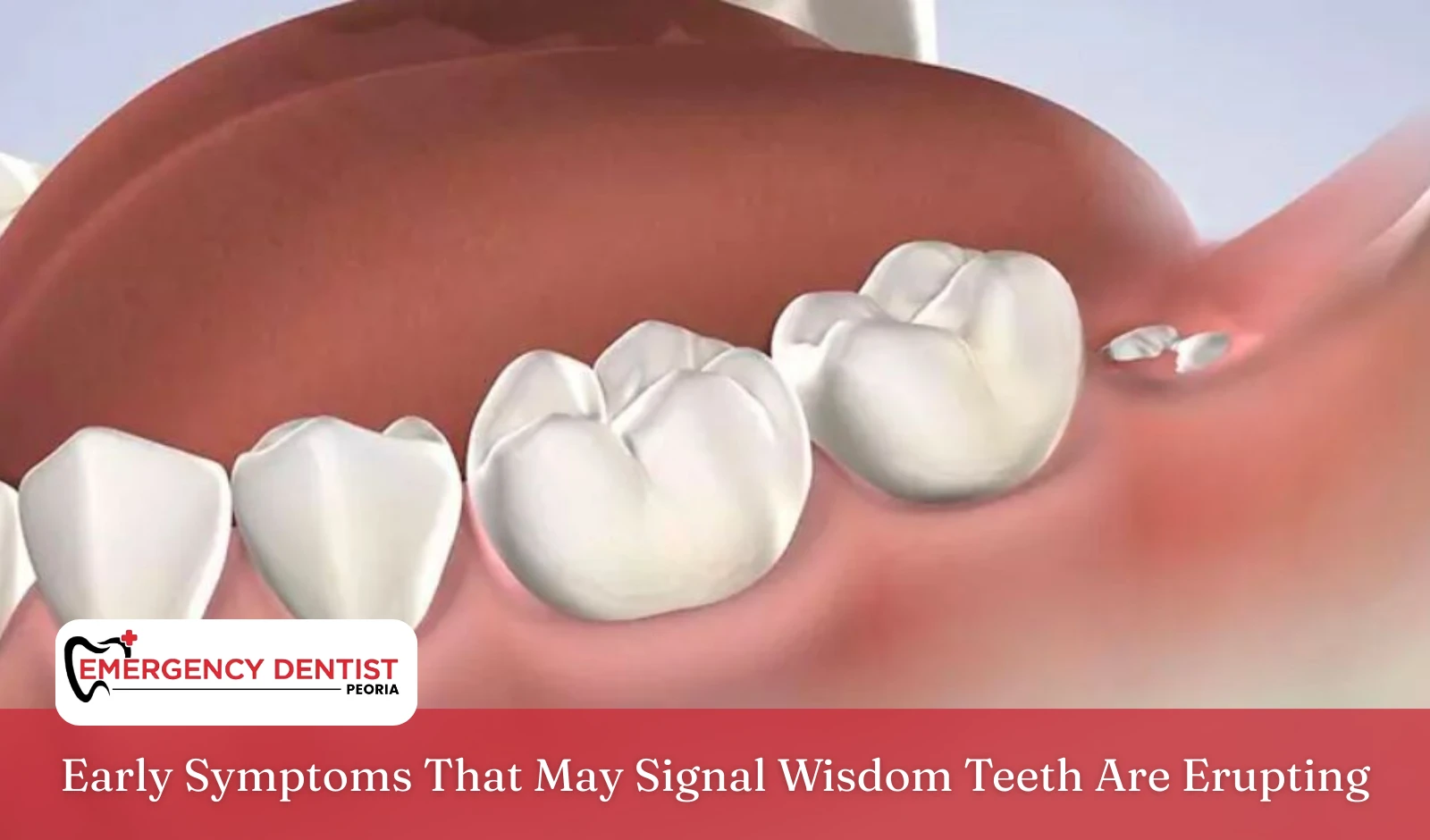
Because wisdom teeth develop after the rest of the permanent teeth are already in place, there is often limited room. This lack of space can cause wisdom teeth to erupt slowly, grow at an angle, or remain partially emerged instead of fully breaking through the gum.
Early Signs Wisdom Teeth Are Developing
The early signs of wisdom teeth coming in are not always obvious. Symptoms may appear gradually and come and go as the teeth shift beneath the gums.
Common Early Symptoms
- Mild wisdom tooth pain near the back molars
- Swollen or sensitive gums as teeth begin breaking through the gum
- Jaw pain or stiffness, especially when chewing
- A partially emerged tooth that feels sharp or uneven
- Dull wisdom teeth pain that fades and returns
- Bad breath caused by trapped food or bacteria
- Pressure near the back of the mouth
These symptoms do not always signal a serious issue, but they are often the first clues that wisdom teeth erupt.
Why Wisdom Teeth Can Cause Discomfort
Mouths often do not have enough space for extra teeth. When wisdom teeth try to grow in crowded areas, they may not erupt properly, which can lead to pressure, irritation, or pain.
Understanding Impacted Wisdom Teeth
- Impacted wisdom teeth stay trapped beneath the gum or jawbone
- An impacted wisdom tooth may push against nearby teeth
- Partially emerged teeth can trap food and bacteria
Over time, impacted wisdom teeth can increase the risk of gum disease and tooth decay. If left untreated, these issues may affect nearby teeth and overall oral health.
Wisdom Tooth Pain vs. Normal Pressure
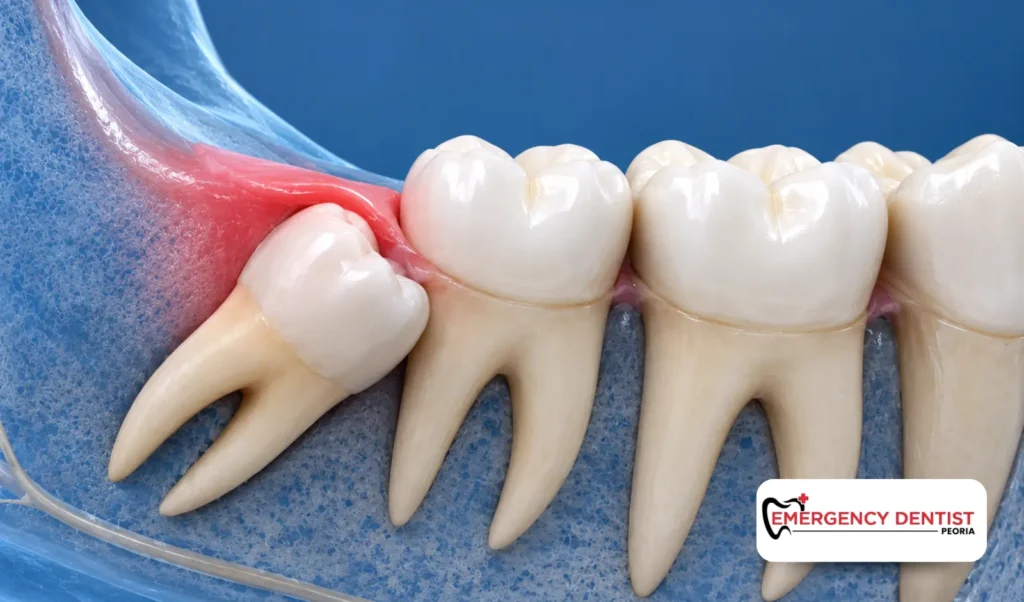
Not all discomfort means something is wrong. Some pressure is expected as wisdom teeth are breaking through the gum. You may notice:
- Mild swelling that improves after a few days
- Tender gums that feel sore when brushing
- Wisdom teeth pain that comes and goes
However, pain that worsens, persistent jaw pain, ongoing bad breath, or swelling that does not improve may signal the need for professional dental care.
Related: How to Help Wisdom Tooth Pain Before It Becomes Worse
At-Home Comfort Tips for Early Wisdom Teeth Pain
While self-diagnosing should be avoided, there are simple steps that may help ease short-term discomfort.
Helpful Comfort Tips
- Applying a cold compress to the outside of the jaw
- Using counter pain relief products as directed
- Eating soft foods to reduce pressure
- Gently brushing to keep the area clean
These steps may help temporarily, but they are not a substitute for dental care.
Related: What Can You Take for Wisdom Tooth Pain? Quick Relief Tips
When Wisdom Teeth Removal May Be Recommended
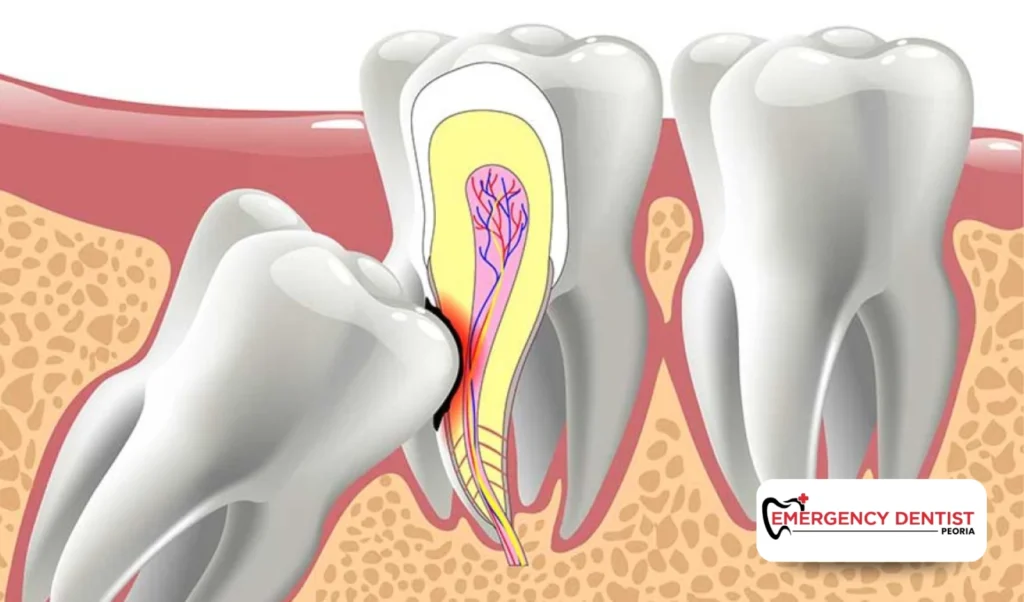
Not everyone needs wisdom teeth removal. However, a dentist may discuss wisdom tooth removal or removing wisdom teeth if:
- Wisdom teeth are impacted
- Teeth are partially emerged and difficult to clean
- Gum disease or tooth decay is developing nearby
- Wisdom tooth pain continues or worsens
Wisdom teeth removal is often recommended to protect nearby teeth and support long-term oral health.
When to Contact an Emergency Dentist in Peoria
You should consider scheduling an appointment with an Emergency Dentist in Peoria if you notice:
- Ongoing wisdom tooth pain
- Swelling that does not improve
- Jaw pain that interferes with daily activities
- Persistent bad breath
- Red, irritated, or swollen gums near the back teeth
Early evaluation helps prevent minor concerns from becoming more serious dental problems.
Final Thoughts
Wisdom teeth changes can feel confusing, especially when symptoms appear slowly. Paying attention to early warning signs and seeking dental guidance when needed can help you stay in control of your oral health and avoid unnecessary discomfort.
Schedule Wisdom Teeth Care in Peoria
If wisdom teeth discomfort is affecting your comfort or daily routine, an Emergency Dentist in Peoria is here to help you understand your symptoms and guide you through the next steps.
Schedule an appointment today to receive clear answers, gentle care, and peace of mind from a dental team focused on your comfort and long-term oral health.
Frequently Asked Questions
Can wisdom teeth cause pain in the back of my jaw?
Yes. Wisdom teeth may cause pressure or soreness near the back of your jaw as they emerge. A dentist can check whether the pain is related to wisdom teeth.
Can wisdom teeth cause red or swollen gums?
Yes. Gums may become red, tender, or swollen as wisdom teeth come in. If the swelling gets worse or does not improve, see a dentist.
What happens if my wisdom teeth grow sideways?
Wisdom teeth that grow sideways may become impacted or affect nearby teeth. A dentist can use X-rays to check their position and decide if treatment is needed.