

Quick Answer
What should you do for proper care after tooth extraction?
Care after tooth extraction involves protecting the extraction site, using gauze pads for about 30 minutes to control bleeding, and supporting the healing process with rest, soft food, and gentle habits that avoid disturbing the area.
Key Takeaways
- Use gauze pads during the first hours post extraction to manage bleeding
- Keep your head elevated to help minimize swelling
- Choose soft food to protect the treated area
- Avoid disturbing the extraction site while healing begins
- Maintain oral hygiene carefully around surgical sites
- Watch for signs of infection such as increased swelling
The first few hours after your procedure are critical for recovery. Right after your procedure, your body begins forming a blood clot at the extraction site. This clot protects the underlying bone and nerves and plays a major role in the healing process.
Your dental provider will place gauze pads over the area and ask you to bite down gently. This helps control bleeding and supports clot formation. Most people keep the gauze in place for about 30 minutes, replacing it if bleeding continues.
Avoid touching the area with your tongue or fingers. Even slight contact can interfere with clot formation and delay healing.
Care After Tooth Extraction: First Day Tips

Proper care after tooth extraction starts immediately after your appointment. The first day should focus on rest and avoiding unnecessary activity.
Keeping your head elevated while resting helps minimize swelling and improve comfort. You can also apply a cold compress to your cheek for 20 minutes at a time to reduce inflammation.
Avoid spitting, rinsing, or using a straw during the first 48 hours. These actions can dislodge the clot and increase the risk of dry socket, which may slow the healing process.
Allow your body to begin healing naturally without adding pressure to the area.
After Tooth Extraction Care: Food and Drink
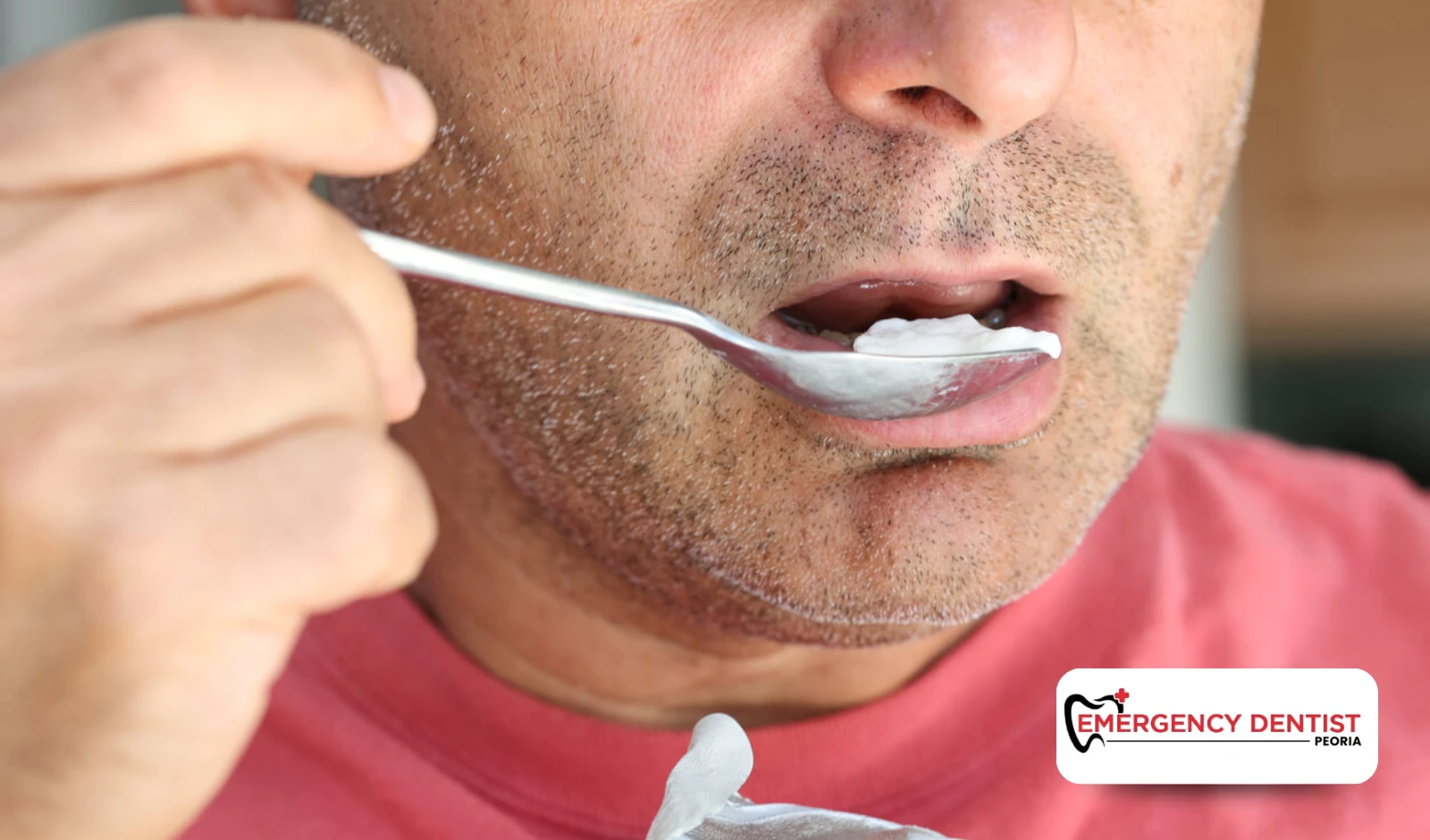
Your diet plays a big role in recovery. During the early stage, stick with soft food that is easy to chew and gentle on your mouth. Foods like yogurt, mashed potatoes, smoothies, and eggs are ideal.
Avoid hot, crunchy, or sticky foods, especially within the first 48 hours. These can irritate the extraction site or disrupt the healing process.
Drink water regularly, but take small sips. Avoid using straws, since suction can disturb the clot and increase the risk of dry socket.
Choosing the right foods can help support a smoother healing process.
Keeping the Area Clean Safely

Maintaining cleanliness is part of proper after tooth extraction care, but it should be done gently.
After the first day, you can rinse your mouth using warm salt water. Mixing a teaspoon of salt in warm water helps reduce bacteria and supports healing.
Be sure to gently rinse your mouth instead of swishing forcefully. This helps clean the area while protecting the clot.
Continue brushing your teeth, but avoid the surgical sites directly. This allows you to maintain oral hygiene without interfering with healing.
How to Minimize Swelling and Stay Comfortable
Swelling is a normal response after a tooth extraction. It usually begins within the first day and may increase slightly before improving.
To minimize swelling, apply a cold compress for 20 minutes at a time. This helps reduce inflammation and supports comfort.
Keeping your head elevated while resting or sleeping can also help prevent increased swelling. Even small changes in positioning can make a difference.
These simple steps can help make recovery more comfortable.
Understanding the Healing Process
As your recovery continues, the healing process happens in stages. On the first day, the blood clot forms and stabilizes at the extraction site.
Over the next several days, your body begins rebuilding tissue in the area. Within about a week, the gums start to close over the site.
You may still notice mild sensitivity, but discomfort usually improves gradually. Full healing can take several weeks depending on your overall health and the type of procedure.
Following proper tooth extraction aftercare and your dentist’s guidance can help support a smooth recovery.
Simple Habits That Support Recovery
Your post operative routine plays an important role in how well your mouth heals.
Rest is essential, especially during the first day. Avoid smoking, as it can slow the healing process and affect blood flow. Limiting physical activity can also reduce pressure on the extraction site.
Continue to maintain oral hygiene carefully. Gentle care around the treated area helps protect healing tissue while keeping your mouth clean.
Consistent daily habits can make a noticeable difference in recovery.
When to Watch for Changes
Healing should feel steady and gradual. Pay attention to how your mouth feels in the days after your procedure.
If you notice unusual discomfort, a persistent bad taste, or signs of infection, it may be time to contact a dental professional.
You should also seek care if bleeding does not slow down after applying pressure or if discomfort lasts longer than expected. Persistent increased swelling, fever, or difficulty opening your mouth may also require attention.
Early evaluation can help prevent complications and support a smoother healing process.
Final Thoughts
Recovering after a tooth extraction becomes easier when you follow simple and consistent aftercare steps. Rest, proper nutrition, and gentle habits all support a smoother healing process.
Pay attention to how your mouth feels during recovery. While mild discomfort is normal, any unusual symptoms should be checked early to prevent complications.
With proper care after tooth extraction and steady habits, you can return to your normal routine comfortably while protecting your long-term oral health.
Emergency Dentist in Peoria: Reliable Care When You Need It
Recovery can vary from person to person, and sometimes concerns may arise during the healing process. An Emergency Dentist in Peoria offers same-day evaluations to check healing and address concerns early.
If something feels off or your recovery is not improving, getting checked early can help prevent complications and support a smoother healing experience. Early care can also give you peace of mind and help keep your recovery on track and prevent further issues.
Frequently Asked Questions
Can I drink water immediately after a tooth extraction?
Yes, you can drink water shortly after your procedure. Take small, slow sips and avoid using a straw to protect the clot.
How long should I keep gauze pads in place?
Gauze pads should remain in place for about 30 minutes while applying gentle pressure. Replace them if bleeding continues.
When is it safe to rinse my mouth after extraction?
You can rinse your mouth after the first day using warm salt water. Make sure to gently rinse rather than swish.
What foods should I eat during recovery?
Stick to soft food such as yogurt, mashed potatoes, eggs, and smoothies to avoid irritating the extraction site.
Is swelling normal after a tooth extraction?
Yes, swelling is normal and usually improves within a few days as the healing process continues.
How can I reduce swelling at home?
Apply a cold compress for 20 minutes at a time and keep your head elevated while resting.
How do I know if I have dry socket?
If pain increases after a few days, or you notice a bad taste or exposed area, it may need professional evaluation.
Can I brush my teeth after the procedure?
Yes, but avoid brushing directly over the extraction site. Clean the rest of your teeth gently.
When can I return to normal activities?
Most people can return to light activities within a day, but avoid strenuous activity for a few days.
What should I do if my recovery feels slow?
If your symptoms are not improving or seem to be getting worse, contact a dental professional for guidance.